Parivartini Ekadashi — Vamana Ekadashi (Vishnu's Turning Side)
22 September 2026 · Tuesday
Tithi
Bhadrapada Shukla Ekadashi
Auspicious Muhurat · IST
Parana time: 23 Sep, 6:09 AM–8:33 AM IST
Tithi Duration…
Abhijit Muhurat…
Sunrise / Sunset…
Source: Vedic Panchang, IST
All timings shown for:…
Festival dates follow the India (IST) Vedic calendar.
Quick Info
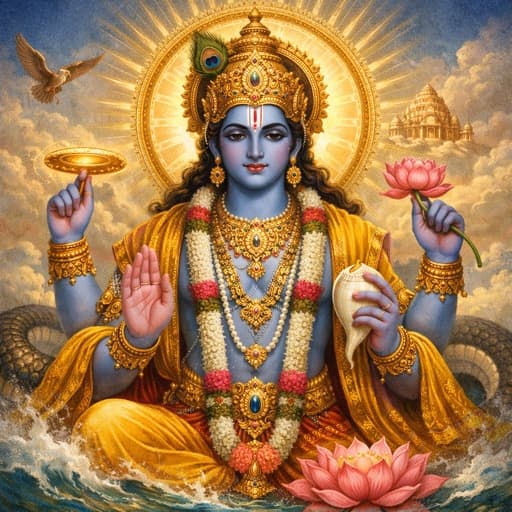
Parivartini Ekadashi (22 Sep 2026, Bhadrapada Shukla Ekadashi) is the mid-Chaturmas Ekadashi when Lord Vishnu, asleep on Sheshnag since Devshayani, turns from his left side to his right side.
परिवर्तिनी एकादशी (22 सितंबर 2026, भाद्रपद शुक्ल एकादशी) चातुर्मास की मध्य एकादशी है — जब देवशयनी से शेषनाग पर सोए भगवान विष्णु बाईं करवट से दाईं करवट लेते हैं।
About this festival
Parivartini Ekadashi (22 Sep 2026, Bhadrapada Shukla Ekadashi) is the mid-Chaturmas Ekadashi when Lord Vishnu, asleep on Sheshnag since Devshayani, turns from his left side to his right side. Also called Vamana Ekadashi (in memory of the Vamana avatar) and Padma Ekadashi. Per the Bhavishyottara Purana, this vrat grants the merit of a thousand horse-sacrifices.
परिवर्तिनी एकादशी (22 सितंबर 2026, भाद्रपद शुक्ल एकादशी) चातुर्मास की मध्य एकादशी है — जब देवशयनी से शेषनाग पर सोए भगवान विष्णु बाईं करवट से दाईं करवट लेते हैं। इसे वामन एकादशी (वामन अवतार स्मरण) और पद्मा एकादशी भी कहते हैं। भविष्योत्तर पुराण के अनुसार यह व्रत सहस्र अश्वमेध यज्ञ का फल देता है।
Parivartini Ekadashi 2026 outside India — local timings for USA, UK, Canada, Australia, Singapore & UAEपरिवर्तिनी एकादशी 2026 भारत के बाहर — अमेरिका, ब्रिटेन, कनाडा, ऑस्ट्रेलिया, सिंगापुर और यूएई में स्थानीय समय
A tithi begins and ends at the same instant everywhere on Earth — only your local clock reading differs. That is why the same tithi can fall on the previous or the next calendar day where you live, even though the festival date on this page follows the Vedic Panchang, IST.
Classical observance windows — sunrise, midday, afternoon, evening and midnight — are defined by your own sunrise and sunset, not by India's. The table below gives those local values for the major diaspora cities.
तिथि पृथ्वी पर हर स्थान पर एक ही क्षण आरम्भ और समाप्त होती है — केवल आपकी स्थानीय घड़ी का समय भिन्न होता है। इसीलिए वही तिथि आपके यहाँ पिछले या अगले कैलेंडर दिन पड़ सकती है, जबकि इस पृष्ठ की तिथि वैदिक पंचांग (IST) के अनुसार है।
सूर्योदय, मध्याह्न, अपराह्न, प्रदोष और निशीथ जैसे शास्त्रीय काल आपके अपने सूर्योदय-सूर्यास्त से निर्धारित होते हैं, भारत के नहीं। नीचे प्रमुख प्रवासी नगरों के स्थानीय मान दिए गए हैं।
| City | Sunrise | Sunset | Shukla Ekadashi (local time) |
|---|---|---|---|
| Ujjain, India | 6:15 AM | 6:23 PM | Sep 21, 8:01 PM → Sep 22, 9:44 PM |
| New York, USA | 6:43 AM | 6:53 PM | Sep 21, 10:31 AM → Sep 22, 12:14 PM |
| Chicago, USA | 6:38 AM | 6:47 PM | Sep 21, 9:31 AM → Sep 22, 11:14 AM |
| San Jose (Bay Area), USA | 6:55 AM | 7:04 PM | Sep 21, 7:31 AM → Sep 22, 9:14 AM |
| Toronto, Canada | 7:04 AM | 7:14 PM | Sep 21, 10:31 AM → Sep 22, 12:14 PM |
| London, UK | 6:46 AM | 6:58 PM | Sep 21, 3:31 PM → Sep 22, 5:14 PM |
| Dubai, UAE | 6:07 AM | 6:15 PM | Sep 21, 6:31 PM → Sep 22, 8:14 PM |
| Singapore | 6:54 AM | 7:00 PM | Sep 21, 10:31 PM → Sep 23, 12:14 AM |
| Sydney, Australia | 5:45 AM | 5:51 PM | Sep 22, 12:31 AM → Sep 23, 2:14 AM |
Overseas communities differ: some follow the India Panchang date, others observe on the local day the tithi prevails. Confirm the observance day with your local temple or community.
विदेश में समुदायों की परम्परा भिन्न है: कुछ भारत के पंचांग की तिथि मानते हैं, कुछ उस स्थानीय दिन पर व्रत रखते हैं जब तिथि व्याप्त हो। अपने स्थानीय मन्दिर या समुदाय से व्रत का दिन अवश्य सुनिश्चित करें।
Quick Facts
- Date 2026: 22 Sep (Bhadrapada Shukla Ekadashi)
- Patron deity: Lord Vishnu in his Vamana avatar form
- Scriptural source: Bhavishyottara Purana, Brahma-Yudhishthira dialogue
- Mid-point of Chaturmas (Vishnu's 4-month cosmic yoga-nidra)
- Special merit: equivalent to 1,000 Ashwamedha yagnas
Parivartini Ekadashi Vrat Vidhiपरिवर्तिनी एकादशी व्रत विधि
- Dashami (21 Sep): One sattvic meal before sunset; avoid grains and tamasic food
- Ekadashi sunrise (22 Sep): Bathe; wear yellow; clean Vishnu altar
- Place a small idol of Vamana (dwarf brahmin form) — or Vishnu — on a yellow cloth
- Sankalp: 'I observe Parivartini Ekadashi for liberation, prosperity and ancestral peace'
- Offer panchamrit-abhishek, then dress idol in yellow, offer tulsi and yellow flowers
- Recite the Parivartini Ekadashi Katha (Bali Maharaj & Vamana — the three-step legend)
- Chant 'Om Namo Bhagavate Vasudevaya' 108 times; play Vishnu Sahasranama
- Donate dahi-bhaat (curd-rice), yogurt-pot, yellow cloth, or ghee to a brahmin
- Night vigil if possible with bhajan-kirtan; sleep on the floor
- Dwadashi (23 Sep, 6:09–8:33 AM): Break fast with tulsi-jal, then phalahaar
- दशमी (21 सितंबर): सूर्यास्त से पहले एक सात्विक भोजन; अनाज, तामसिक वर्जित
- एकादशी सूर्योदय (22 सितंबर): स्नान; पीला वस्त्र; विष्णु पीठ शुद्ध
- वामन (बौने ब्राह्मण रूप) — या विष्णु — की प्रतिमा पीले वस्त्र पर स्थापित
- संकल्प: 'मोक्ष, समृद्धि एवं पितृ-शान्ति हेतु परिवर्तिनी एकादशी व्रत करूँगा/करूँगी'
- पंचामृत-अभिषेक, पीला वस्त्र पहनाएँ, तुलसी एवं पीले फूल अर्पण
- परिवर्तिनी एकादशी कथा (बलि महाराज एवं वामन — त्रिविक्रम कथा) का पाठ
- 'ॐ नमो भगवते वासुदेवाय' का 108 जप; विष्णु सहस्रनाम श्रवण
- ब्राह्मण को दही-भात, दही-घट, पीला वस्त्र या घी का दान
- यदि सम्भव हो तो भजन-कीर्तन सहित रात्रि-जागरण; भूमि-शयन
- द्वादशी (23 सितंबर, 6:09 AM–8:33 AM): तुलसी-जल से पारण, फिर फलाहार
Mantrasमंत्र
ॐ नमो भगवते वामनाय ॥
Om Namo Bhagavate Vāmanāya
Salutations to Lord Vamana — invoke the dwarf-brahmin form who measured the three worlds in three steps and humbled Bali Maharaj's ego. Especially powerful on Parivartini.
भगवान वामन को नमन — जिन्होंने तीन पगों में तीनों लोकों को नाप कर बलि महाराज का अहंकार-मर्दन किया। परिवर्तिनी पर विशेष शक्तिशाली।
↻ 108 times
ॐ नमो भगवते वासुदेवाय ॥
Om Namo Bhagavate Vāsudevāya
12-syllable Vishnu mantra — the universal salutation to Lord Vasudeva. Recite for general Ekadashi merit.
12-अक्षरी विष्णु महामंत्र — भगवान वासुदेव को सार्वभौम नमन। सामान्य एकादशी पुण्य हेतु जप।
↻ 108 or 1,008 times
Vamana & Bali — The Three-Step Legendवामन और बलि — त्रिविक्रम कथा
Per the Bhavishyottara Purana, King Bali (grandson of Prahlada) had conquered all three worlds through his austerity and devotion. The devas, displaced from Svarga, appealed to Vishnu. Vishnu took birth as Vamana — a tiny brahmin boy — and approached Bali during his great yagna.
Bali, true to his vow of giving any boon to a brahmin, offered Vamana whatever he wished. The dwarf asked only for 'three steps of land.' Bali laughed and agreed. Vamana then expanded into Trivikrama: with one step he covered the earth, with the second the heavens. For the third step, Bali offered his own head — accepting eternal exile to Patala (the netherworld) with grace.
Vishnu, pleased with Bali's surrender, agreed to guard his palace in Patala forever. The Parivartini Ekadashi vrat commemorates the moment when Vishnu — now resting between his two cosmic acts — turns over on Sheshnag. The lesson: even the proudest devotee finds liberation through surrender (sharanagati).
भविष्योत्तर पुराण के अनुसार बलि (प्रह्लाद के पौत्र) ने तप-भक्ति से तीनों लोकों पर अधिकार कर लिया। स्वर्ग से वंचित देवताओं ने विष्णु से प्रार्थना की। विष्णु ने वामन का अवतार धारण किया — एक छोटा ब्राह्मण-बालक — और बलि के महायज्ञ में पधारे।
ब्राह्मण को कुछ भी देने के व्रत-वश बलि ने वामन से इच्छित वर माँगने को कहा। वामन ने केवल 'तीन पग भूमि' माँगी। बलि हँस कर सहमत हो गए। वामन तब त्रिविक्रम बने: एक पग में पृथ्वी, दूसरे में आकाश। तीसरे पग के लिए बलि ने अपना मस्तक अर्पित किया — और पाताल का सदा-निर्वास प्रसन्न-मन से स्वीकार किया।
बलि के समर्पण से प्रसन्न विष्णु ने उनके पाताल-राज्य की रक्षा सदा करने का वर दिया। परिवर्तिनी एकादशी व्रत उस क्षण का स्मरण है जब विष्णु — अपने दो ब्रह्मांडीय कार्यों के बीच विश्राम में — शेषनाग पर करवट लेते हैं। शिक्षा: सबसे महान भक्त भी समर्पण (शरणागति) से ही मुक्ति पाता है।
Frequently Asked Questionsअक्सर पूछे जाने वाले प्रश्न
Why is this Ekadashi called 'Parivartini' (the turning)?
Lord Vishnu has been reclining on Sheshnag in yoga-nidra since Devshayani Ekadashi (Ashadha). On Bhadrapada Shukla Ekadashi — the midpoint of the 4-month Chaturmas — he turns from his left side to his right. This cosmic shift is called Parivartini (turning) and symbolises divine attention returning toward the world.
इस एकादशी को 'परिवर्तिनी' क्यों कहते हैं?
आषाढ़ की देवशयनी एकादशी से भगवान विष्णु शेषनाग पर योग-निद्रा में बाईं करवट लेटे हैं। भाद्रपद शुक्ल एकादशी — इस 4-मास चातुर्मास का मध्य-बिन्दु — पर वे दाईं करवट लेते हैं। इस ब्रह्मांडीय परिवर्तन को 'परिवर्तिनी' कहते हैं — यह जगत की ओर दिव्य ध्यान का पुनः-प्रवर्तन है।
Why is it also called Vamana Ekadashi?
Per the Bhavishyottara Purana, the Vamana avatar story — where Vishnu measured the three worlds in three steps and sent Bali to Patala — is recited as the central vrat katha on this day. Parivartini Ekadashi is the most auspicious day in the year to honour Lord Vamana and Bali Maharaj's surrender.
इसे वामन एकादशी क्यों कहते हैं?
भविष्योत्तर पुराण के अनुसार इस दिन वामन अवतार की कथा — जिसमें विष्णु ने तीन पगों में तीनों लोक नापे और बलि को पाताल भेजा — मुख्य व्रत-कथा के रूप में पाठ की जाती है। यह वामन और बलि महाराज की शरणागति के स्मरण का वर्ष का सर्वोत्तम दिन है।
What is the special merit (phal) of this Ekadashi according to scripture?
Per the Bhavishyottara Purana (Brahma-Yudhishthira dialogue), observing Parivartini Ekadashi with full devotion grants merit equal to performing 1,000 Ashwamedha yagnas. It also confers the merit of bathing at all holy tirthas — making it especially potent for those unable to travel on pilgrimage.
शास्त्र में इस एकादशी का क्या विशेष फल बताया गया है?
भविष्योत्तर पुराण (ब्रह्मा-युधिष्ठिर संवाद) के अनुसार पूर्ण भक्ति से परिवर्तिनी एकादशी करने से 1,000 अश्वमेध यज्ञ के तुल्य पुण्य मिलता है। समस्त तीर्थों में स्नान का फल भी इसी से प्राप्त होता है — जो तीर्थ यात्रा न कर सकें उनके लिए यह अत्यंत महत्वपूर्ण है।
Which marriages and auspicious events remain forbidden during the Chaturmas season that includes this Ekadashi?
Parivartini Ekadashi falls within Chaturmas, during which marriages, griha-pravesh, mundan, and sacred thread ceremonies remain forbidden. Even though Vishnu turns sides on this day, he is still in yoga-nidra. Chaturmas restrictions lift only on Devutthana Ekadashi (Prabodhini) in Kartik month.
परिवर्तिनी एकादशी के चातुर्मास में विवाह आदि शुभ कार्य अभी भी क्यों वर्जित हैं?
परिवर्तिनी एकादशी चातुर्मास के भीतर पड़ती है, जिसमें विवाह, गृह-प्रवेश, मुंडन और यज्ञोपवीत वर्जित रहते हैं। यद्यपि विष्णु इस दिन करवट लेते हैं, वे अभी भी योग-निद्रा में हैं। चातुर्मास-बंधन कार्तिक की देवउठनी एकादशी (प्रबोधिनी) पर ही समाप्त होता है।