
Ganga Dussehra — The Day Mother Ganga Descended to Earth
25 May 2026 · Monday
Tithi
Jyeshtha Shukla Dashami
Auspicious Muhurat · IST
Snan Muhurat: 4:25 AM – 6:00 AM IST (Brahma Muhurat)
Tithi Duration…
Abhijit Muhurat…
Sunrise / Sunset…
Source: Vedic Panchang, IST (Jyeshtha Shukla Dashami)
All timings shown for:…
Festival dates follow the India (IST) Vedic calendar.
About this festival
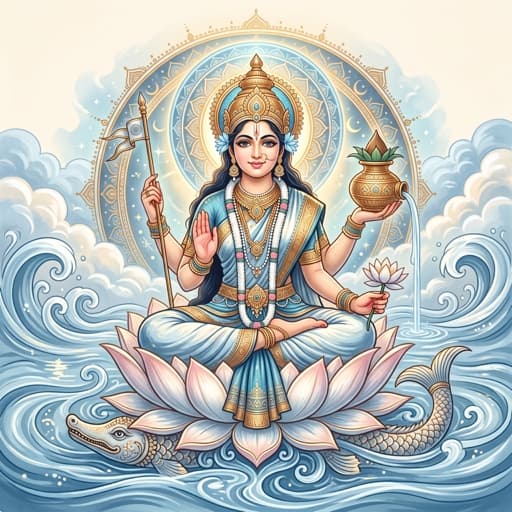
Ganga Dussehra (25 May 2026) falls on Jyeshtha Shukla Dashami — the day Goddess Ganga descended from Brahmaloka to earth via Lord Shiva's matted hair and onwards to sage Bhagiratha's ancestors at the ocean. Per the Brahma Purana, a holy dip on this day with the Ganga-mantra washes away 10 (dasha) types of sins. Haridwar's Har-ki-Pauri, Varanasi's Dashashwamedh Ghat, and Allahabad's Sangam see lakhs of pilgrims. Note: 2026 has an extra Adhik Jyeshtha month — this Ganga snan-parva is observed in Adhik Jyeshtha (25 May), while vrats such as Nirjala Ekadashi (25 Jun) and Vat Purnima (29 Jun) shift to the Nija (true) Jyeshtha in late June.
गंगा दशहरा (25 मई 2026) ज्येष्ठ शुक्ल दशमी को — जिस दिन देवी गंगा ब्रह्मलोक से भगवान शिव की जटाओं के माध्यम से पृथ्वी पर अवतरित हुईं और राजा भगीरथ के पूर्वजों तक समुद्र-तट पर पहुँचीं। ब्रह्म पुराण के अनुसार इस दिन गंगा-मंत्र के साथ पवित्र स्नान दस (दश) प्रकार के पापों का नाश करता है। हरिद्वार के हर-की-पौड़ी, वाराणसी के दशाश्वमेध घाट और प्रयाग के संगम पर लाखों तीर्थयात्री आते हैं। 2026 में अधिक ज्येष्ठ मास होने से यह गंगा स्नान-पर्व अधिक ज्येष्ठ (25 मई) में मनाया जाता है, जबकि निर्जला एकादशी (25 जून) व वट पूर्णिमा (29 जून) जैसे व्रत निज ज्येष्ठ (जून के अंत) में।
Ganga Dussehra 2026 outside India — local timings for USA, UK, Canada, Australia, Singapore & UAEगंगा दशहरा 2026 भारत के बाहर — अमेरिका, ब्रिटेन, कनाडा, ऑस्ट्रेलिया, सिंगापुर और यूएई में स्थानीय समय
A tithi begins and ends at the same instant everywhere on Earth — only your local clock reading differs. That is why the same tithi can fall on the previous or the next calendar day where you live, even though the festival date on this page follows the Vedic Panchang, IST.
Classical observance windows — sunrise, midday, afternoon, evening and midnight — are defined by your own sunrise and sunset, not by India's. The table below gives those local values for the major diaspora cities.
तिथि पृथ्वी पर हर स्थान पर एक ही क्षण आरम्भ और समाप्त होती है — केवल आपकी स्थानीय घड़ी का समय भिन्न होता है। इसीलिए वही तिथि आपके यहाँ पिछले या अगले कैलेंडर दिन पड़ सकती है, जबकि इस पृष्ठ की तिथि वैदिक पंचांग (IST) के अनुसार है।
सूर्योदय, मध्याह्न, अपराह्न, प्रदोष और निशीथ जैसे शास्त्रीय काल आपके अपने सूर्योदय-सूर्यास्त से निर्धारित होते हैं, भारत के नहीं। नीचे प्रमुख प्रवासी नगरों के स्थानीय मान दिए गए हैं।
| City | Sunrise | Sunset | Shukla Dashami (local time) |
|---|---|---|---|
| Ujjain, India | 5:42 AM | 7:05 PM | May 25, 4:31 AM → May 26, 5:12 AM |
| New York, USA | 5:30 AM | 8:15 PM | May 24, 7:01 PM → May 25, 7:42 PM |
| Chicago, USA | 5:21 AM | 8:13 PM | May 24, 6:01 PM → May 25, 6:42 PM |
| San Jose (Bay Area), USA | 5:51 AM | 8:17 PM | May 24, 4:01 PM → May 25, 4:42 PM |
| Toronto, Canada | 5:43 AM | 8:46 PM | May 24, 7:01 PM → May 25, 7:42 PM |
| London, UK | 4:55 AM | 8:59 PM | May 25, 12:01 AM → May 26, 12:42 AM |
| Dubai, UAE | 5:30 AM | 7:01 PM | May 25, 3:01 AM → May 26, 3:42 AM |
| Singapore | 6:55 AM | 7:07 PM | May 25, 7:01 AM → May 26, 7:42 AM |
| Sydney, Australia | 6:47 AM | 4:56 PM | May 25, 9:01 AM → May 26, 9:42 AM |
Overseas communities differ: some follow the India Panchang date, others observe on the local day the tithi prevails. Confirm the observance day with your local temple or community.
विदेश में समुदायों की परम्परा भिन्न है: कुछ भारत के पंचांग की तिथि मानते हैं, कुछ उस स्थानीय दिन पर व्रत रखते हैं जब तिथि व्याप्त हो। अपने स्थानीय मन्दिर या समुदाय से व्रत का दिन अवश्य सुनिश्चित करें।
Quick Facts
- Date 2026: 25 May (Jyeshtha Shukla Dashami, Monday)
- 'Dussehra' here = dasha (ten) + hara (remover) — removes 10 types of sins
- Patron goddess: Maa Ganga (eldest daughter of Himavat)
- Sacred dip sites: Haridwar (Har-ki-Pauri), Varanasi (Dashashwamedh), Prayag (Sangam), Rishikesh (Triveni Ghat)
- Origin: Bhagiratha's 60,000-year tapasya brought Ganga to earth
Ganga Dussehra Vidhiगंगा दशहरा विधि
- Wake before sunrise (Brahma Muhurat); if at Haridwar/Varanasi/Prayag, take Ganga snan at sunrise
- If not at a Ganga-tirth: add Ganga-jal to home bath water; chant 'Gange cha Yamune chaiva...'
- Wear white or yellow cotton; apply chandan tilak
- Recite Ganga Stuti by Adi Shankaracharya ('Devi Sureshwari Bhagavati Gange...')
- Offer 10 of each item to Ganga: 10 white flowers, 10 fruits, 10 deepak lights, 10 sweets
- Chant 'Om Namo Bhagavate Gangadevyai Namah' 108 times
- Donate: water-pots (matka), sattu, umbrella, fan, slippers — summer-relief dana
- Eat one sattvic meal at noon; observe ekantara fasting if family tradition permits
- Read or hear the Bhagiratha-Ganga descent katha (Mahabharata, Aranya Parva)
- ब्रह्म मुहूर्त में जागें; हरिद्वार/वाराणसी/प्रयाग में हों तो सूर्योदय पर गंगा स्नान
- गंगा-तीर्थ पर न हों तो घर के स्नान-जल में गंगाजल मिलाएँ; 'गंगे च यमुने चैव...' पाठ
- श्वेत या पीला सूती वस्त्र; चंदन तिलक
- आदि शंकराचार्य रचित गंगा स्तुति ('देवी सुरेश्वरी भगवती गंगे...') पाठ
- गंगा को प्रत्येक का 10: 10 श्वेत फूल, 10 फल, 10 दीप, 10 मिठाई अर्पित करें
- 'ॐ नमो भगवते गंगादेव्यै नमः' 108 बार जप
- दान: मटका, सत्तू, छाता, पंखा, चप्पल — ग्रीष्म-राहत
- मध्याह्न एक सात्विक भोजन; पारिवारिक परम्परा हो तो एकांतर उपवास
- भगीरथ-गंगा अवतरण कथा (महाभारत, अरण्य पर्व) सुनें या पढ़ें
Mantrasमंत्र
ॐ नमो भगवते गंगादेव्यै नमः ॥
Om Namo Bhagavate Gaṅgā-devyai Namaḥ
Salutations to Goddess Ganga — the Ganga Mantra recited during sacred bathing. (Brahma Purana)
देवी गंगा को नमन — पवित्र स्नान के समय का गंगा मंत्र। (ब्रह्म पुराण)
↻ 108 times during snan
देवि सुरेश्वरी भगवति गंगे त्रिभुवनतारिणि तरलतरङ्गे । शंकर-मौलि-विहारिणि विमले मम मतिरास्तां तव पदकमले ॥
Devi Sureśvarī Bhagavati Gaṅge Tribhuvana-tāriṇi Tarala-taraṅge, Śaṅkara-mauli-vihāriṇi Vimale Mama Matir-āstāṁ Tava Pada-kamale
O Devi Ganga, queen of devas, goddess, three-worlds-deliverer, with restless waves, dweller in Shankara's hair, pure one — let my mind dwell at your lotus feet. (Ganga Stotram by Adi Shankaracharya, Verse 1)
हे देवी गंगा, देवताओं की रानी, भगवती, त्रिभुवन-तारिणी, चंचल-तरंगे, शंकर-मौलि-विहारिणी, विमले — मेरा मन तुम्हारे चरण-कमलों में रहे। (गंगा स्तोत्रम् आदि शंकराचार्य, श्लोक 1)
↻ 1 full path (14 verses)
The Twelve Sacred Names of Ganga (Dvadasha-Nama)
These twelve sacred names of Ganga are traditionally remembered during the snan; reciting them is said to purify the mind.
- 1.Ganga — The swift one who flows down from the heavens
- 2.Nandini — The giver of joy
- 3.Nalini — The lotus-pure stream
- 4.Sita — The white, cooling, purifying one — a celestial branch of Ganga
- 5.Malati — Pure and fragrant as a flower
- 6.Mahapaga — The great river (mahā + āpagā)
- 7.Vishnupadi — Sprung from the foot of Bhagavan Vishnu
- 8.Tripathaga — Flowing through the three worlds — heaven, earth, netherworld
- 9.Bhagirathi — Brought to earth by King Bhagiratha's penance
- 10.Bhogavati — Ganga's form in the netherworld (Patala)
- 11.Jahnavi — Daughter of the sage Jahnu
- 12.Tridasheshwari — Sovereign goddess of the devas
Regional Observance — Assam & the Brahmaputra (Luit)क्षेत्रीय परंपरा — असम और ब्रह्मपुत्र (लुइत)
- Dasha Dravya (ten-item) dana: til (sesame), flour, kusha grass, flowers, Ganga-jal (or Luit water), betel leaves, jaggery, red cloth, yellow flowers, and a copper coin
In Assam, the Brahmaputra — affectionately called 'Luit' — is revered as equal in sanctity to the Ganga. The Kalika Purana (composed in Assam) declares the Brahmaputra (Lauhitya) the holiest river for those east of the ancient Kamarupa kingdom, and bathing in the Luit on Ganga Dussehra is held to destroy the same ten sins.
Devotees bathe at dawn at Guwahati's Umananda and Sukreswar ghats, offer Surya Arghya from the river, recite the Ganga Ashtakam, and float earthen lamps at dusk.
- दश-द्रव्य (दस वस्तुओं का) दान: तिल, आटा, कुश, पुष्प, गंगाजल (या लुइत जल), पान के पत्ते, गुड़, लाल वस्त्र, पीले फूल और एक ताम्र मुद्रा
असम में ब्रह्मपुत्र — जिसे प्रेम से 'लुइत' कहा जाता है — को गंगा के समान पवित्र माना जाता है। कालिका पुराण (असम में रचित) के अनुसार प्राचीन कामरूप राज्य के पूर्व में रहने वालों के लिए ब्रह्मपुत्र (लौहित्य) सबसे पवित्र नदी है, और गंगा दशहरा पर लुइत में स्नान उन्हीं दस पापों का नाश करता है।
भक्त भोर में गुवाहाटी के उमानन्द और शुक्रेश्वर घाटों पर स्नान करते हैं, नदी से सूर्य को अर्घ्य देते हैं, गंगा अष्टकम का पाठ करते हैं और संध्या में दीप प्रवाहित करते हैं।
Bhagiratha's Tapasya — Mahabharata Aranya Parvaभगीरथ की तपस्या — महाभारत अरण्य पर्व
Per Mahabharata (Aranya Parva, Chapters 108-109) and Ramayana (Bala Kanda, Sarga 42-44), King Sagara of the Solar dynasty had 60,000 sons who insulted sage Kapila during a horse-sacrifice quest. Kapila reduced them to ash. Their souls were stranded — they needed Ganga-jal sprinkled on their ashes for moksha. King Bhagiratha (Sagara's great-great-grandson) undertook severe tapasya — first to please Brahma to release Ganga from heaven, then Shiva to receive Ganga's mighty descent in his matted hair (else her force would shatter earth).
After 60,000 years of tapasya, Bhagiratha succeeded. Ganga descended on Jyeshtha Shukla Dashami, was tamed by Shiva's jatas, then flowed across Bharatavarsha to the ocean — liberating Sagara's 60,000 sons. This day commemorates that cosmic delivery; the river became 'Bhagirathi' in his honour. Snan on this day = symbolic re-enactment of that liberation for one's own ancestors.
महाभारत (अरण्य पर्व, अध्याय 108-109) और रामायण (बाल कांड, सर्ग 42-44) के अनुसार सूर्य-वंश के राजा सगर के 60,000 पुत्रों ने अश्वमेध-यज्ञ-खोज में ऋषि कपिल का अपमान किया। कपिल ने उन्हें भस्म कर दिया। उनकी आत्माएँ अटक गईं — मोक्ष हेतु राख पर गंगाजल चाहिए था। राजा भगीरथ (सगर के पर-पर-पौत्र) ने कठोर तपस्या की — पहले ब्रह्मा को प्रसन्न कर गंगा को स्वर्ग से छोड़ने हेतु, फिर शिव को गंगा के प्रबल अवतरण को अपनी जटाओं में ग्रहण करने हेतु (अन्यथा पृथ्वी विदीर्ण हो जाती)।
60,000 वर्षों की तपस्या के बाद भगीरथ सफल हुए। गंगा ज्येष्ठ शुक्ल दशमी को अवतरित हुईं, शिव की जटाओं ने उन्हें सम्भाला, फिर भारतवर्ष से होकर समुद्र-तट तक — सगर के 60,000 पुत्रों को मुक्ति देते हुए। यह दिन उस ब्रह्मांडीय वितरण का स्मरण; नदी उनके नाम पर 'भागीरथी' हुई। इस दिन स्नान = स्वयं के पूर्वजों के लिए उसी मुक्ति का प्रतीकात्मक पुनरावर्तन।
Frequently Asked Questionsअक्सर पूछे जाने वाले प्रश्न
What does 'Dussehra' mean in Ganga Dussehra — how is it different from Vijayadashami?
In Ganga Dussehra the word combines 'dasha' (ten) and 'hara' (remover) — it refers to the removal of ten types of sins by a sacred bath on Jyeshtha Shukla Dashami. This is entirely different from Vijayadashami (the Dussehra of Rama's victory), which celebrates Ravana's defeat in Ashvina month.
गंगा दशहरा में 'दशहरा' का क्या अर्थ है — विजयादशमी से यह कैसे अलग है?
गंगा दशहरा में 'दश' (दस) और 'हरा' (नाशक) मिलकर बनते हैं — ज्येष्ठ शुक्ल दशमी के पवित्र स्नान से दस प्रकार के पापों के नाश का संकेत है। यह विजयादशमी (राम-विजय का दशहरा, आश्विन मास) से बिल्कुल भिन्न है।
Why did Bhagiratha need to invite both Brahma and Shiva to bring Ganga to earth?
Per Mahabharata (Aranya Parva) and Ramayana (Bala Kanda), Brahma could release Ganga from heaven but her descent would have shattered the earth. Shiva received her in his matted hair first to tame her velocity. Bhagiratha performed two separate tapasyas — one for each — before Ganga could safely reach earth.
भगीरथ को गंगा को पृथ्वी पर लाने के लिए ब्रह्मा और शिव दोनों को क्यों मनाना पड़ा?
महाभारत (अरण्य पर्व) और रामायण (बाल कांड) के अनुसार ब्रह्मा गंगा को स्वर्ग से छोड़ सकते थे पर उनका अवतरण-वेग इतना प्रबल था कि पृथ्वी विदीर्ण हो जाती। शिव को पहले उन्हें जटाओं में ग्रहण करना पड़ा। भगीरथ ने दोनों के लिए अलग-अलग तपस्या की — तब गंगा पृथ्वी पर आ सकीं।
What are the ideal sacred bath sites for Ganga Dussehra and what should be offered in the river?
The premier sites are Haridwar's Har-ki-Pauri, Varanasi's Dashashwamedh Ghat, Prayag's Sangam, and Rishikesh's Triveni Ghat. The prescribed offering is 10 each of white flowers, fruits, deepak lamps, and sweets — the number ten directly mirrors the 'dasha' (ten) in the festival's name and the ten sins being removed.
गंगा दशहरा पर पवित्र स्नान के श्रेष्ठ स्थल कौन-से हैं और नदी में क्या अर्पित करें?
प्रमुख स्थल हैं हरिद्वार का हर-की-पौड़ी, वाराणसी का दशाश्वमेध घाट, प्रयाग का संगम और ऋषिकेश का त्रिवेणी घाट। निर्धारित अर्पण है दश-दश — 10 श्वेत फूल, 10 फल, 10 दीप, 10 मिठाई — यह संख्या पर्व के नाम में 'दश' और दस पापों के नाश का सीधा प्रतिबिम्ब है।
In 2026 there is an Adhik Maas — does this affect Ganga Dussehra's date?
Yes. 2026 has an extra Adhik Jyeshtha month. Ganga Dussehra follows Jyeshtha Shukla Dashami and is observed in Adhik Jyeshtha on 25 May. Vrats like Nirjala Ekadashi and Vat Purnima shift to Nija (true) Jyeshtha in late June — but the Ganga descent tithi is observed at its first occurrence.
2026 में अधिक मास है — क्या इससे गंगा दशहरा की तिथि प्रभावित होती है?
हाँ। 2026 में अधिक ज्येष्ठ मास है। गंगा दशहरा ज्येष्ठ शुक्ल दशमी पर है, इसलिए अधिक ज्येष्ठ में 25 मई को मनाया जाता है। निर्जला एकादशी और वट पूर्णिमा जैसे व्रत निज (वास्तविक) ज्येष्ठ में जून के अंत में जाते हैं, पर गंगा अवतरण की तिथि अधिक मास की पहली घटना पर मानी जाती है।
What prayer or stotram is traditionally associated with Ganga Dussehra worship?
The Ganga Stotram by Adi Shankaracharya — beginning 'Devi Sureswari Bhagavati Gange' — is the classical prayer recited on this day. It has 14 verses, each requesting Ganga's grace and liberation. The Ganga mantra 'Om Namo Bhagavate Gangadevyai Namah' is chanted 108 times during the sacred bath.
गंगा दशहरा पूजन में परम्परागत रूप से कौन-सा स्तोत्र गाते हैं?
आदि शंकराचार्य रचित गंगा स्तोत्रम् — 'देवी सुरेश्वरी भगवती गंगे' से आरम्भ — इस दिन की परम्परागत प्रार्थना है। इसमें 14 श्लोक हैं जो गंगा की कृपा और मुक्ति माँगते हैं। स्नान के समय गंगा मंत्र 'ॐ नमो भगवते गंगादेव्यै नमः' 108 बार जपें।
How is Ganga Dussehra observed along the Brahmaputra in Assam?
In Assam the Brahmaputra (called Luit) is revered as equal in sanctity to the Ganga. On Ganga Dussehra devotees bathe at Umananda and Sukreswar ghats in Guwahati before sunrise, offer Surya Arghya from the riverbank, perform the traditional 'Dasha Dravya' dana (ten-item offering), and float earthen lamps at dusk.
असम में ब्रह्मपुत्र के किनारे गंगा दशहरा कैसे मनाया जाता है?
असम में ब्रह्मपुत्र (जिसे लुइत कहते हैं) को गंगा के समान पवित्र माना जाता है। गंगा दशहरा पर भक्त सूर्योदय से पहले गुवाहाटी के उमानंद और शुक्रेश्वर घाट पर स्नान करते हैं, नदी के किनारे से सूर्य अर्घ्य देते हैं, दश-द्रव्य दान करते हैं और सन्ध्या में दीपक प्रवाहित करते हैं।
What are the ten traditional items (Dasha Dravya) donated on Ganga Dussehra?
The traditional Dasha Dravya dana comprises: sesame (til), flour, kusha grass, flowers, Ganga/Luit water, betel leaves, jaggery, red cloth, yellow flowers, and a copper coin. This ten-item offering is the prescribed dana for Ganga Dussehra and is considered especially meritorious on Jyeshtha Shukla Dashami.
गंगा दशहरा पर परंपरागत दस-द्रव्य दान (दश द्रव्य) क्या हैं?
परंपरागत दश-द्रव्य दान में शामिल हैं: तिल, आटा, कुश-घास, फूल, गंगाजल/लुइत-जल, पान-पत्ता, गुड़, लाल वस्त्र, पीले फूल और ताँबे का सिक्का। यह दस वस्तुओं का दान गंगा दशहरा का विहित दान है और ज्येष्ठ शुक्ल दशमी को विशेष पुण्यकारी माना जाता है।
Why is the Brahmaputra considered as holy as the Ganga for Assamese devotees?
The Kalika Purana, written in Assam around the 10th century, declares the Brahmaputra (Lauhitya) to be the holiest river for those living east of the Kamarupa kingdom. The ancient shastras also hold that on Vaishakha Purnima and Ganga Dussehra, all 14 sacred rivers carry Kashi's waters, making the Luit equal in sanctity.
असमिया भक्तों के लिए ब्रह्मपुत्र को गंगा के समान पवित्र क्यों माना जाता है?
10वीं शताब्दी में असम में रचित कालिका पुराण घोषित करता है कि कामरूप राज्य के पूर्व में रहने वालों के लिए ब्रह्मपुत्र (लौहित्य) सर्वाधिक पवित्र नदी है। प्राचीन शास्त्रों के अनुसार वैशाख पूर्णिमा और गंगा दशहरा पर 14 पवित्र नदियाँ काशी का जल धारण करती हैं, इसलिए लुइत भी उतनी ही पवित्र है।