Dev Deepawali — Diwali of the Gods at Kashi Ghats
24 November 2026 · Tuesday
Tithi
Kartik Purnima (evening) — Pradosh-yukt
Auspicious Muhurat · IST
Diya-lighting muhurat: 24 Nov, 5:15 PM–7:42 PM IST (Pradosh kaal). Maha Ganga Aarti at Dashashwamedh ghat: 6:00 PM
Tithi Duration…
Abhijit Muhurat…
Sunrise / Sunset…
Source: Vedic Panchang, IST
All timings shown for:…
Festival dates follow the India (IST) Vedic calendar.
About this festival
Dev Deepawali (24 Nov 2026, Kartik Purnima evening) is the 'Diwali of the Devas' — celebrated 15 days after Diwali. Per the Skanda Purana, this is the night the gods themselves descend to bathe in the Ganga at Kashi (Varanasi) and to celebrate Shiva's destruction of the demon-trio Tripurasura. All 84 ghats of Varanasi are lit with over a million earthen diyas; the celestial reflection on the Ganga is said to mirror Indra-loka.
देव दीपावली (24 नवंबर 2026, कार्तिक पूर्णिमा सायं) 'देवताओं की दिवाली' है — दिवाली के 15 दिन बाद। स्कन्द पुराण के अनुसार यह वही रात्रि है जब देवगण स्वयं काशी (वाराणसी) में गंगा-स्नान हेतु अवतरित होते हैं और शिव द्वारा त्रिपुरासुर-संहार का उत्सव मनाते हैं। वाराणसी के समस्त 84 घाट दस-लाख से अधिक मिट्टी के दीपों से प्रकाशित होते हैं; गंगा पर दिव्य प्रतिबिम्ब को इन्द्र-लोक का प्रतिरूप कहा जाता है।
Dev Deepawali 2026 outside India — local timings for USA, UK, Canada, Australia, Singapore & UAEदेव दीपावली 2026 भारत के बाहर — अमेरिका, ब्रिटेन, कनाडा, ऑस्ट्रेलिया, सिंगापुर और यूएई में स्थानीय समय
A tithi begins and ends at the same instant everywhere on Earth — only your local clock reading differs. That is why the same tithi can fall on the previous or the next calendar day where you live, even though the festival date on this page follows the Vedic Panchang, IST.
Classical observance windows — sunrise, midday, afternoon, evening and midnight — are defined by your own sunrise and sunset, not by India's. The table below gives those local values for the major diaspora cities.
तिथि पृथ्वी पर हर स्थान पर एक ही क्षण आरम्भ और समाप्त होती है — केवल आपकी स्थानीय घड़ी का समय भिन्न होता है। इसीलिए वही तिथि आपके यहाँ पिछले या अगले कैलेंडर दिन पड़ सकती है, जबकि इस पृष्ठ की तिथि वैदिक पंचांग (IST) के अनुसार है।
सूर्योदय, मध्याह्न, अपराह्न, प्रदोष और निशीथ जैसे शास्त्रीय काल आपके अपने सूर्योदय-सूर्यास्त से निर्धारित होते हैं, भारत के नहीं। नीचे प्रमुख प्रवासी नगरों के स्थानीय मान दिए गए हैं।
| City | Sunrise | Sunset | Purnima (local time) |
|---|---|---|---|
| Ujjain, India | 6:46 AM | 5:40 PM | Nov 23, 11:43 PM → Nov 24, 8:24 PM |
| New York, USA | 6:53 AM | 4:31 PM | Nov 23, 1:13 PM → Nov 24, 9:54 AM |
| Chicago, USA | 6:50 AM | 4:23 PM | Nov 23, 12:13 PM → Nov 24, 8:54 AM |
| San Jose (Bay Area), USA | 6:56 AM | 4:51 PM | Nov 23, 10:13 AM → Nov 24, 6:54 AM |
| Toronto, Canada | 7:23 AM | 4:45 PM | Nov 23, 1:13 PM → Nov 24, 9:54 AM |
| London, UK | 7:33 AM | 4:00 PM | Nov 23, 6:13 PM → Nov 24, 2:54 PM |
| Dubai, UAE | 6:42 AM | 5:28 PM | Nov 23, 10:13 PM → Nov 24, 6:54 PM |
| Singapore | 6:49 AM | 6:52 PM | Nov 24, 2:13 AM → Nov 24, 10:54 PM |
| Sydney, Australia | 5:39 AM | 7:44 PM | Nov 24, 5:13 AM → Nov 25, 1:54 AM |
Overseas communities differ: some follow the India Panchang date, others observe on the local day the tithi prevails. Confirm the observance day with your local temple or community.
विदेश में समुदायों की परम्परा भिन्न है: कुछ भारत के पंचांग की तिथि मानते हैं, कुछ उस स्थानीय दिन पर व्रत रखते हैं जब तिथि व्याप्त हो। अपने स्थानीय मन्दिर या समुदाय से व्रत का दिन अवश्य सुनिश्चित करें।
Quick Facts
- Date 2026: 24 Nov (Kartik Purnima evening) — Tuesday
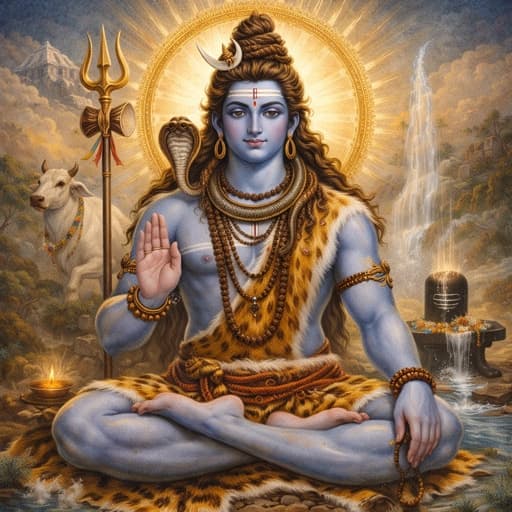
- Patron deity: Lord Shiva (Tripurari — destroyer of three demonic cities)
- Primary location: Varanasi (Kashi) — all 84 ghats on the Ganga
- Concurrent events: Tripurari Purnima (Shiva), Matsya Jayanti (Vishnu's 1st avatar)
- Coincides with Kartik Snan conclusion + first day of Margashirsha month
Dev Deepawali Observance — At Kashi & At Homeदेव दीपावली पालन — काशी एवं घर
- Morning: Ganga snan (or bath at home with til + tulsi in water)
- Day-time: light fasting; one sattvic meal at noon; chant 'Om Namah Shivaya'
- Sunset puja: install Shiva-Parvati image; offer bel-patra, white flowers, ghee-lamp
- Light 11, 21, 51, or 108 mitti (earthen) diyas at home — at entrance, balcony, terrace, near tulsi plant
- If visiting Varanasi: secure ghat-view boat by 5 PM; respect crowd safety + queue discipline
- Witness Maha Ganga Aarti at Dashashwamedh ghat (6:00 PM) — 7-priest synchronized aarti
- Recite Tripurari-Ashtakam or Lingashtakam in the diya-lit hour
- Donate ghee, lamps, sesame-til, blanket to a needy person
- Sky-lantern (akash-deep) tradition: float a small wick-diya in a clay pot on a tall pole
- प्रातः: गंगा-स्नान (या घर पर तिल + तुलसी मिश्रित जल से स्नान)
- दिन: हल्का व्रत; दोपहर एक सात्विक भोजन; 'ॐ नमः शिवाय' जप
- सूर्यास्त पूजा: शिव-पार्वती प्रतिमा स्थापित; बेल-पत्र, श्वेत फूल, घृत-दीप अर्पण
- घर पर 11, 21, 51, या 108 मिट्टी-दीप जलाएँ — द्वार, बालकनी, छत, तुलसी पास
- यदि वाराणसी में: 5:00 PM तक घाट-नौका सुरक्षित करें; भीड़ सुरक्षा + पंक्ति अनुशासन का पालन
- दशाश्वमेध घाट महा गंगा आरती (सायं 6:00 PM) — 7 पुरोहितों की समकालिक आरती दर्शन
- दीप-काल में त्रिपुरारी अष्टकम या लिङ्गाष्टकम का पाठ
- ज़रूरतमंद को घी, दीपक, तिल, कम्बल का दान
- आकाश-दीप परम्परा: ऊँचे बाँस पर मिट्टी के पात्र में बत्ती-दीप प्रवाहित करें
Mantrasमंत्र
ॐ त्र्यम्बकं यजामहे सुगन्धिं पुष्टिवर्धनम् । उर्वारुकमिव बन्धनान्मृत्योर्मुक्षीय माऽमृतात् ॥
Om Tryambakaṁ yajāmahe sugandhiṁ puṣṭi-vardhanam, Urvārukamiva bandhanān-mṛtyor-mukṣīya mā'mṛtāt.
We worship the three-eyed Lord (Shiva), fragrant and nourishing. As a ripe cucumber separates from its vine, may He liberate us from death — not from immortality. (Maha-Mrityunjaya mantra, Rig Veda 7.59.12 — chant 11 or 108 times at sunset)
हम त्रि-नेत्र शिव की पूजा करते हैं — सुगन्धित, पुष्टि-वर्धक। पकी ककड़ी की डंठल से मुक्ति की भाँति, वे हमें मृत्यु से मुक्त करें — अमृत से नहीं। (महा-मृत्युंजय मंत्र, ऋग्वेद 7.59.12 — सायं 11 या 108 जप)
↻ 11 or 108 times
ॐ हर हर महादेव ॥
Om Hara Hara Mahādeva
The Kashi-folk universal cry. 'Hara' = remover (of sins, of bondage). Recite aloud while lighting each diya — the entire ghat resonates with this on Dev Deepawali eve.
काशी-वासियों की सार्वभौम पुकार। 'हर' = (पाप, बन्धन का) हरण कर्ता। प्रत्येक दीप जलाते समय उच्चारण करें — देव दीपावली सायं समस्त घाट इसी से गूँजते हैं।
↻ Aloud while lighting each diya
Tripurasura's Three Cities — Shiva's One Arrowत्रिपुरासुर के तीन नगर — शिव का एक बाण
Per the Skanda Purana and Matsya Purana, the three asura brothers Tarakaksha, Kamalaksha, and Vidyunmali — sons of the demon Tarakasura — performed extreme tapas to Brahma. They asked for an indestructible fortress. Brahma granted them three flying cities (tripura) — one gold, one silver, one iron — that would align in a single line only once every thousand years; only then could a single arrow destroy them, and only by Shiva.
The demons used their cities to terrorise the cosmos. The devas approached Shiva. On Kartik Purnima — the rare day of cosmic alignment — Shiva mounted a chariot built from Mount Meru (axle = Vishnu, charioteer = Brahma, bowstring = Vasuki), and released a single arrow that pierced all three cities simultaneously. As they crashed in flames into the Ganga at Kashi, the devas descended to celebrate. They lit thousands of lamps at the ghats — and continue to do so every Kartik Purnima eve to this day.
The Dev Deepawali lights are not human celebration. They are the human echo of an annual celestial visitation: on this one evening, Kashi belongs simultaneously to mortals and to gods.
स्कन्द पुराण और मत्स्य पुराण के अनुसार तीन असुर भ्राता — तारकाक्ष, कमलाक्ष, और विद्युन्माली — तारकासुर के पुत्र — ने ब्रह्मा की उग्र तपस्या की। उन्होंने अविनाशी दुर्ग माँगा। ब्रह्मा ने उन्हें तीन उड़ने वाले नगर (त्रिपुर) दिए — एक स्वर्ण, एक रजत, एक लौह — जो प्रत्येक सहस्र वर्ष में एक बार ही एक रेखा में संरेखित होंगे; तभी एक बाण से उनका नाश हो सकेगा, और केवल शिव द्वारा।
असुरों ने अपने नगरों से ब्रह्मांड को त्रस्त किया। देवगण शिव के पास गए। कार्तिक पूर्णिमा पर — दुर्लभ ब्रह्मांडीय संरेखण दिवस — शिव ने मेरु-पर्वत से निर्मित रथ (धुरी = विष्णु, सारथी = ब्रह्मा, धनुष-डोरी = वासुकि) पर आरूढ़ होकर एक बाण छोड़ा जो तीनों नगरों को एक साथ बेधा। ज्वालाओं में काशी की गंगा में गिरे हुए नगरों को देख देवगण उत्सव हेतु अवतरित हुए। उन्होंने घाटों पर सहस्रों दीप जलाए — और आज तक प्रत्येक कार्तिक पूर्णिमा सायं ऐसा करते हैं।
देव दीपावली के दीप मानवीय उत्सव मात्र नहीं हैं। वे एक वार्षिक दिव्य आगमन का मानवीय प्रति-घोष हैं: इस एक सायं काशी एक साथ मर्त्यों एवं देवगणों की होती है।
Frequently Asked Questionsअक्सर पूछे जाने वाले प्रश्न
What makes Dev Deepawali different from Diwali, which was already celebrated 15 days earlier?
Diwali is the human celebration — diyas lit by mortals in homes. Dev Deepawali is the celestial mirror: per Skanda Purana, this is the night the devas themselves descend to Kashi to celebrate Shiva's destruction of Tripurasura. The million diyas at Varanasi's 84 ghats are both a human act and the human echo of the gods' own celebration.
देव दीपावली, 15 दिन पहले मनाई गई दीवाली से अलग क्यों है?
दीवाली राम-आगमन और लक्ष्मी-कृपा का मानवीय उत्सव है — मनुष्यों द्वारा घरों में जलाए दीप। देव दीपावली दिव्य प्रतिबिम्ब है: स्कन्द पुराण के अनुसार यह वह रात्रि है जब देव स्वयं काशी में शिव के त्रिपुरासुर वध का उत्सव मनाने अवतरित होते हैं। वाराणसी के 84 घाटों पर दीप एक साथ मानवीय कार्य और देवताओं के उत्सव का प्रति-घोष हैं।
Why is Kashi (Varanasi) specifically the location for Dev Deepawali and not any other city?
Per Skanda Purana, when Shiva destroyed Tripurasura's three cities with a single arrow, the burning ruins fell into the Ganga at Kashi. The devas descended to this very spot to celebrate. Shiva permanently resides in Kashi as Vishwanatha — making Kashi the axis mundi where celestial and mortal realms most directly intersect.
देव दीपावली के लिए काशी (वाराणसी) विशेष रूप से क्यों है, कोई अन्य नगर क्यों नहीं?
स्कन्द पुराण के अनुसार जब शिव ने एक बाण से त्रिपुरासुर के तीनों नगर नष्ट किए तो जलते अवशेष काशी की गंगा में गिरे। देव ठीक इसी स्थान पर उत्सव मनाने उतरे। शिव विश्वनाथ के रूप में काशी में स्थायी वास करते हैं और मणिकर्णिका शिव का श्मशान है — काशी वह अक्ष-मण्डल है जहाँ दिव्य और मर्त्य जगत् सबसे सीधे मिलते हैं।
How can devotees who cannot visit Varanasi participate in Dev Deepawali at home?
Light at least 11 earthen diyas at sunset during Pradosh Kaal. Place them at the entrance, balcony, terrace, and near the Tulsi plant. Recite the Tripurari Ashtakam or Maha-Mrityunjaya mantra 11 or 108 times. Float a small clay diya in a nearby river or water-basin as the akash-deep tradition. Donate ghee, blankets, and sesame to the needy.
जो भक्त वाराणसी नहीं जा सकते वे घर पर देव दीपावली में कैसे भाग लें?
सूर्यास्त पर प्रदोष काल में कम से कम 11 मिट्टी-दीप जलाएँ। उन्हें द्वार, बालकनी, छत और तुलसी के पास रखें। त्रिपुरारि अष्टकम या महा-मृत्युंजय मंत्र 11 या 108 बार पढ़ें। पास की नदी या जल-पात्र में छोटा मिट्टी-दीप प्रवाहित करें — आकाश-दीप परम्परा। ज़रूरतमंदों को घी, कम्बल और तिल दान करें।
Who is Tripurasura and what were his three cities?
Per Skanda Purana and Matsya Purana, Tripurasura refers to three demon brothers — Tarakaksha, Kamalaksha, and Vidyunmali, sons of Tarakasura — granted by Brahma three indestructible flying cities of gold, silver, and iron. The cities aligned in one cosmic line only once in a thousand years — only then could Shiva's single arrow destroy them all.
त्रिपुरासुर कौन था और उसके तीन नगर क्या थे?
स्कन्द पुराण और मत्स्य पुराण के अनुसार त्रिपुरासुर तीन दैत्य भाइयों — ताराक्ष, कमलाक्ष, विद्युन्माली, तारकासुर के पुत्र — को इंगित करता है, जिन्होंने ब्रह्मा से तीन अभेद्य उड़न-नगर पाए: एक स्वर्ण, एक रजत, एक लौह। ये तीनों नगर एक हज़ार वर्ष में एक बार ही एक ब्रह्मांडीय रेखा में आते — केवल तभी शिव का एक बाण सभी को नष्ट कर सकता था।