Apara Ekadashi — The Vrat of Infinite Merit
13 May 2026 · Wednesday
Tithi
Jyeshtha Krishna Ekadashi
Auspicious Muhurat · IST
Parana time: 14 May, 5:30 AM – 8:13 AM IST
Tithi Duration…
Abhijit Muhurat…
Sunrise / Sunset…
Source: Vedic Panchang, IST
All timings shown for:…
Festival dates follow the India (IST) Vedic calendar.
About this festival
Apara Ekadashi (13 May 2026) falls on Jyeshtha Krishna Ekadashi. The name 'Apara' means infinite — the spiritual merit earned by fasting on this day is said to be immeasurable. Per Brahmavaivarta Purana, observing this vrat removes sins equivalent to Brahmahatya (slaying a Brahmin) and grants liberation. The vrat is especially recommended for those carrying ancestral karmic debts.
अपरा एकादशी (13 मई 2026) ज्येष्ठ कृष्ण एकादशी को है। 'अपरा' का अर्थ है अनंत — इस व्रत का पुण्य अमाप्य है। ब्रह्मवैवर्त पुराण के अनुसार यह व्रत ब्रह्म-हत्या तुल्य पापों का नाश और मोक्ष देता है। पितृ-कर्म-ऋण रखने वालों के लिए विशेष अनुशंसित।
Apara Ekadashi 2026 outside India — local timings for USA, UK, Canada, Australia, Singapore & UAEअपरा एकादशी 2026 भारत के बाहर — अमेरिका, ब्रिटेन, कनाडा, ऑस्ट्रेलिया, सिंगापुर और यूएई में स्थानीय समय
A tithi begins and ends at the same instant everywhere on Earth — only your local clock reading differs. That is why the same tithi can fall on the previous or the next calendar day where you live, even though the festival date on this page follows the Vedic Panchang, IST.
Classical observance windows — sunrise, midday, afternoon, evening and midnight — are defined by your own sunrise and sunset, not by India's. The table below gives those local values for the major diaspora cities.
तिथि पृथ्वी पर हर स्थान पर एक ही क्षण आरम्भ और समाप्त होती है — केवल आपकी स्थानीय घड़ी का समय भिन्न होता है। इसीलिए वही तिथि आपके यहाँ पिछले या अगले कैलेंडर दिन पड़ सकती है, जबकि इस पृष्ठ की तिथि वैदिक पंचांग (IST) के अनुसार है।
सूर्योदय, मध्याह्न, अपराह्न, प्रदोष और निशीथ जैसे शास्त्रीय काल आपके अपने सूर्योदय-सूर्यास्त से निर्धारित होते हैं, भारत के नहीं। नीचे प्रमुख प्रवासी नगरों के स्थानीय मान दिए गए हैं।
| City | Sunrise | Sunset | Krishna Ekadashi (local time) |
|---|---|---|---|
| Ujjain, India | 5:46 AM | 6:59 PM | May 12, 2:53 PM → May 13, 1:30 PM |
| New York, USA | 5:40 AM | 8:04 PM | May 12, 5:23 AM → May 13, 4:00 AM |
| Chicago, USA | 5:32 AM | 8:01 PM | May 12, 4:23 AM → May 13, 3:00 AM |
| San Jose (Bay Area), USA | 6:00 AM | 8:07 PM | May 12, 2:23 AM → May 13, 1:00 AM |
| Toronto, Canada | 5:54 AM | 8:33 PM | May 12, 5:23 AM → May 13, 4:00 AM |
| London, UK | 5:11 AM | 8:42 PM | May 12, 10:23 AM → May 13, 9:00 AM |
| Dubai, UAE | 5:35 AM | 6:55 PM | May 12, 1:23 PM → May 13, 12:00 PM |
| Singapore | 6:55 AM | 7:06 PM | May 12, 5:23 PM → May 13, 4:00 PM |
| Sydney, Australia | 6:38 AM | 5:04 PM | May 12, 7:23 PM → May 13, 6:00 PM |
Overseas communities differ: some follow the India Panchang date, others observe on the local day the tithi prevails. Confirm the observance day with your local temple or community.
विदेश में समुदायों की परम्परा भिन्न है: कुछ भारत के पंचांग की तिथि मानते हैं, कुछ उस स्थानीय दिन पर व्रत रखते हैं जब तिथि व्याप्त हो। अपने स्थानीय मन्दिर या समुदाय से व्रत का दिन अवश्य सुनिश्चित करें।
Quick Facts
- Date 2026: 13 May (Jyeshtha Krishna Ekadashi)
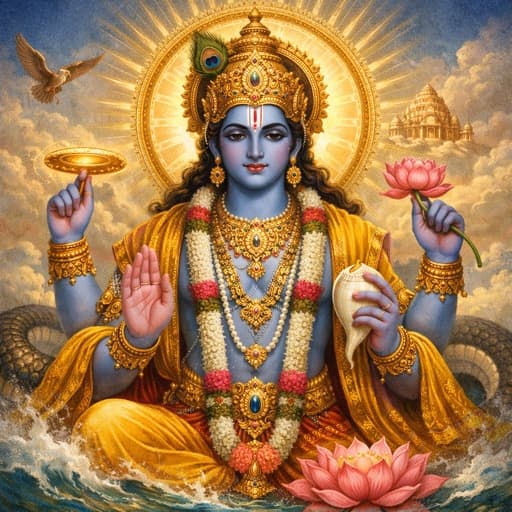
- Patron deity: Lord Vishnu in Trivikrama (3-stepped) form
- Special purpose: Removal of ancestral and personal sins
- Vrat katha: King Mahidhvaja's Peepal-tree spirit liberation
- Origin: Brahmavaivarta Purana
Apara Ekadashi Vrat Vidhiअपरा एकादशी व्रत विधि
- Dashami (12 May): One sattvic meal before sunset
- Ekadashi morning: Bathe + sankalp for freedom from all sins
- Set up Vishnu (Trivikrama) murti with tulsi-mala; offer panchamrit, yellow flowers
- Recite Apara Ekadashi Vrat Katha (Brahmavaivarta Purana)
- Chant 'Om Namo Bhagavate Vasudevaya' 108 times — sunrise and sunset
- Light a ghee-lamp under a Peepal tree (per Mahidhvaja katha)
- Donate til, water-pots, white cloth to Brahmins
- Dwadashi parana (14 May): tulsi-jal + til, then full meal
- दशमी (12 मई): सूर्यास्त से पहले एक सात्विक भोजन
- एकादशी प्रातः: स्नान + सर्व-पाप मुक्ति का संकल्प
- तुलसी-माला सहित विष्णु (त्रिविक्रम) मूर्ति; पंचामृत, पीले फूल अर्पण
- अपरा एकादशी व्रत कथा (ब्रह्मवैवर्त पुराण) पाठ
- 'ॐ नमो भगवते वासुदेवाय' 108 बार — सूर्योदय और सूर्यास्त
- पीपल वृक्ष के नीचे घी-दीप (महिध्वज कथा अनुसार)
- तिल, मटका, श्वेत वस्त्र ब्राह्मण को दान
- द्वादशी पारण (14 मई): तुलसी-जल + तिल, फिर पूर्ण भोजन
Mantrasमंत्र
ॐ नमो भगवते वासुदेवाय ॥
Om Namo Bhagavate Vāsudevāya
Salutations to Lord Vasudeva — 12-syllable Vishnu mantra. (Bhagavata Purana)
भगवान वासुदेव को नमन — विष्णु का 12-अक्षरी मंत्र। (भागवत पुराण)
↻ 108 times
The Mahidhvaja Katha — Why a Peepal Diyaमहिध्वज कथा — पीपल दीप क्यों
Per Brahmavaivarta Purana, King Mahidhvaja was treacherously killed by his jealous younger brother Vajradhvaja. Mahidhvaja's tormented spirit became a Pishacha haunting a Peepal tree on his kingdom's outskirts.
Sage Dhaumya, passing by, saw the suffering spirit. He taught Vajradhvaja: 'Observe Apara Ekadashi on Jyeshtha Krishna Ekadashi on your dead brother's behalf. Donate the vrat's merit to his spirit.' Vajradhvaja did so. Mahidhvaja's spirit immediately ascended to Vishnu's abode. Hence the tradition of lighting a ghee-diya under a Peepal on this Ekadashi — to liberate any wandering ancestral spirits in the family lineage.
ब्रह्मवैवर्त पुराण के अनुसार राजा महिध्वज को ईर्ष्यालु छोटे भाई वज्रध्वज ने धोखे से मारा। महिध्वज की आत्मा पीड़ित होकर राज्य की सीमा के पीपल वृक्ष पर पिशाच रूप में अटक गई।
ऋषि धौम्य उधर से जा रहे थे, पीड़ित आत्मा को देखा। उन्होंने वज्रध्वज को सिखाया — 'ज्येष्ठ कृष्ण एकादशी को अपने मृत भाई की ओर से अपरा एकादशी का व्रत करो। व्रत-पुण्य को उसकी आत्मा को अर्पित कर दो।' वज्रध्वज ने ऐसा किया। महिध्वज की आत्मा तत्क्षण विष्णु-धाम चली गई। इसी कारण इस एकादशी पर पीपल-वृक्ष के नीचे घी-दीप जलाने की परम्परा — कुल-वंश की किसी भी भटकती पैतृक आत्मा की मुक्ति हेतु।
Frequently Asked Questionsअक्सर पूछे जाने वाले प्रश्न
What does the name 'Apara' mean and why is this Ekadashi considered equal to immeasurable merit?
Apara means infinite or immeasurable. Per the Brahmavaivarta Purana, the merit of fasting on Jyeshtha Krishna Ekadashi cannot be quantified — it equals the accumulated punya of bathing at all tirthas, performing all sacrifices, and donating all wealth. Sins equivalent to Brahmahatya are removed by sincere observance.
'अपरा' का अर्थ क्या है और यह एकादशी अनंत पुण्य वाली क्यों मानी जाती है?
अपरा का अर्थ है अनंत या अमाप्य। ब्रह्मवैवर्त पुराण के अनुसार ज्येष्ठ कृष्ण एकादशी के उपवास का पुण्य नापा नहीं जा सकता — यह सभी तीर्थों के स्नान, सभी यज्ञों और सर्वस्व-दान के पुण्य के बराबर है। ब्रह्म-हत्या तुल्य पाप भी श्रद्धापूर्वक पालन से नष्ट होते हैं।
Who is King Mahidhvaja and why is a ghee lamp lit under a Peepal tree on this Ekadashi?
Per Brahmavaivarta Purana, Mahidhvaja was killed by his brother and became a Pishacha haunting a Peepal tree. Sage Dhaumya taught the brother to observe Apara Ekadashi and donate its merit to the spirit — it immediately ascended to Vishnu's abode. This is why a ghee lamp is lit under a Peepal on this day.
राजा महिध्वज कौन हैं और इस एकादशी पर पीपल के नीचे दीप क्यों जलाते हैं?
ब्रह्मवैवर्त पुराण के अनुसार महिध्वज को भाई ने धोखे से मारा और उनकी आत्मा पीपल पर पिशाच बनकर अटक गई। ऋषि धौम्य ने भाई को अपरा एकादशी व्रत कर उसका पुण्य महिध्वज को अर्पित करने को कहा — आत्मा तत्क्षण विष्णु-धाम चली गई। इसीलिए इस एकादशी पर पीपल के नीचे घी-दीप जलाते हैं।
Which form of Vishnu is worshipped on Apara Ekadashi and why?
Lord Vishnu in his Trivikrama (three-stepped) form is the patron deity of Apara Ekadashi. The Trivikrama form — which measured the three worlds in three strides — represents Vishnu's all-encompassing sovereignty over all realms, making him the appropriate form for removing sins across all planes of existence.
अपरा एकादशी पर विष्णु के किस स्वरूप की पूजा होती है और क्यों?
भगवान विष्णु के त्रिविक्रम (तीन-चरण) स्वरूप की पूजा होती है। त्रिविक्रम रूप — जिसने तीन लोकों को तीन पगों में नापा — विष्णु की सभी लोकों पर सर्वव्यापी प्रभुता का प्रतीक है, इसलिए यह सभी स्तरों के पापों को दूर करने का उचित स्वरूप है।
Why is Apara Ekadashi especially recommended for those with ancestral karmic debts?
The Mahidhvaja katha in Brahmavaivarta Purana demonstrates that vrat merit can be specifically donated to trapped ancestral spirits. Apara Ekadashi falls in Jyeshtha — a month traditionally associated with pitra-karma. The combination of pita-bhojan (feeding Brahmins in ancestors' names) and the Peepal-lamp ritual targets ancestral debt more directly than most other Ekadashis.
अपरा एकादशी पितृ-कर्म-ऋण वालों के लिए विशेष क्यों है?
ब्रह्मवैवर्त पुराण की महिध्वज कथा दर्शाती है कि व्रत का पुण्य विशेष रूप से अटकी आत्माओं को अर्पित किया जा सकता है। अपरा एकादशी ज्येष्ठ में पड़ती है — परम्परागत रूप से पितृ-कर्म से जुड़ा मास। पितृ-भोजन और पीपल-दीप की रीति मिलकर पितृ-ऋण का निराकरण अन्य एकादशियों की तुलना में अधिक सीधे करती है।