Descending Lunar Node (South Node) of the Navagraha; Karaka of Moksha, Detachment & Intuition
Bhagwan Ketu Dev
केतु देव

About & Sacred Story
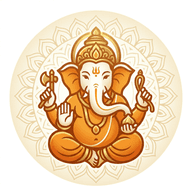
Ketu is the ninth planetary deity of the Navagraha — the descending lunar node (South Node) representing the immortal torso after Svarbhanu tasted Amrita. In Vedic Jyotish, while Rahu drives worldly ambition, Ketu is the supreme Moksha-Karaka (significator of liberation), spiritual detachment (Vairagya), intuition, mantra siddhi, and temple flags (Dhwaja). Bhagwan Ganesha and Bhagwan Matsya / Chitragupta are revered as the presiding deities who harmonize Ketu’s energy.
Quick Facts
Sacred Group(s):Navagraha (9 Planets) (#9)
Mount (Vahana):Vulture (Gridhra) / Pigeon (Kapota)
Weapon (Astra):Gada (Mace) & Sword
Weekday:Tuesday & Saturday
Mantra:Om Stram Streem Straum Sah Ketave Namah · Om Kem Ketave Namah
Prayers, Aartis & Mantras
Significance
Worshipped for spiritual awakening, deep intuition, liberation from past-life karmic knots, and removal of hidden obstacles.
Worship & Practice
Worship Bhagwan Ganesha on Tuesdays/Wednesdays, recite Ganesha Sankat Nashan Stotram and Navagraha Stotram, and feed street dogs.
Iconography & Symbolism
- Smoky-hued ascetic deity with a serpent-crowned or gem-crested form seated on a vulture or pigeon
- Holds a mace (Gada), sacred book/flag, and blesses in Varada mudra
- Symbolizes the temple flag (Dhwaja) rising toward liberation (Moksha)
Famous Temples
Keezhperumpallam Naganathaswamy (Ketu) TempleMayiladuthurai, Tamil Nadu
Sri Kalahasti Rahu-Ketu TempleTirupati District, Andhra Pradesh
Festivals
Ganesha Chaturthi & Eclipse Observances
Worship of Lord Ganesha (Presiding Deity of Ketu) and japa during eclipses pacify Ketu.
Frequently Asked Questions
Why is Lord Ganesha worshipped to pacify Ketu Graha?
Both Ganesha and Ketu share the symbolism of a transformed head and supreme spiritual wisdom; in Vedic tradition, Lord Ganesha is revered as the presiding deity who turns Ketu’s detachment into spiritual clarity and removes hidden obstacles.