
Majuli Satras (Neo-Vaishnavite Monastery Complex), Majuli Island
Location
Majuli Island, Brahmaputra River, Jorhat district
City
Majuli, Assam
Deity
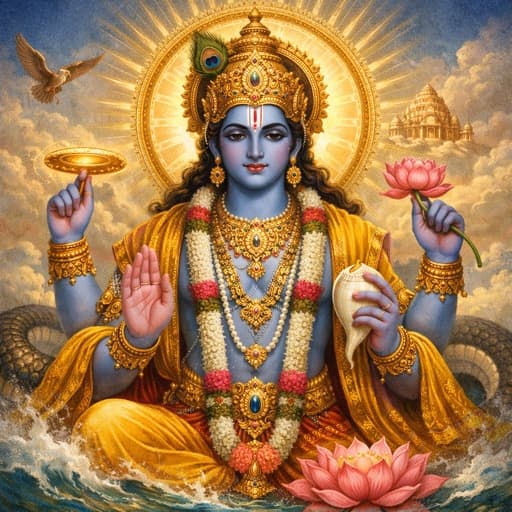
Lord Vishnu / Krishna (Vaishnava Satras of Sankardev tradition)
Temple Type
Neo-Vaishnavite Monastery-Temple (Satra) Complex
World's largest river island; 22 active Vaishnava Satras; UNESCO Sattriya dance heritage; Raas Mahotsav festival; ancient Assamese manuscript preservation
Significance
Majuli — the world's largest inhabited river island — hosts the unique Vaishnava Satra culture founded by the saint-scholar Srimanta Sankardev (1449–1568 CE). There are currently 22 active Satras on Majuli (down from 65 in the 18th century due to erosion). Each Satra is a monastery-temple complex combining worship, performance art (Sattriya dance, Ankiya Naat drama), mask-making, scripture study, and community living. The most prominent Satras are Auniati, Garamur, Kamalabari, and Bengenaati. Satras follow the Eka Sharana Nama Dharma (devotion to a single God through name-chanting), making them culturally and religiously unique. UNESCO has inscribed Sattriya dance as an Intangible Cultural Heritage.
Legend & History
Srimanta Sankardev, the 15th–16th century Assamese saint, reformer, and polymath, established the Eka Sharana Nama Dharma — a devotional movement centered on the name of Krishna/Vishnu, rejecting caste discrimination and idol worship complexity. He established the first Satra at Bordowa (his birthplace) and spread the movement across Assam. After his passing, his disciple Madhavdev continued the tradition. Majuli became the cultural capital of this movement, hosting satras that became centers of Assamese arts, music, and philosophy. The Auniati Satra (est. 1653) holds a unique collection of ancient Assamese manuscripts, jewelry, and artifacts.
October to April (Raas Mahotsav in October/November is the biggest festival; Ali-Ai-Ligang in February; avoid monsoon June–September when island floods)
From Jorhat: Take a ferry from Nimati Ghat, Jorhat (1 hour crossing; ferries run 8 AM – 4 PM). Jorhat is connected by air (Jorhat Airport, 7 km), rail (Mariani Junction), and road. The island is further explored by bicycle or boat.
Frequently Asked Questionsअक्सर पूछे जाने वाले प्रश्न
Where is Majuli Satras (Neo-Vaishnavite Monastery Complex), Majuli Island located?
Majuli Satras (Neo-Vaishnavite Monastery Complex), Majuli Island (माजुली सत्र (नव-वैष्णव मठ परिसर), माजुली द्वीप) is located at Majuli Island, Brahmaputra River, Jorhat district, in Assam, India. It is a revered Hindu temple.
माजुली सत्र (नव-वैष्णव मठ परिसर), माजुली द्वीप कहाँ स्थित है?
माजुली सत्र (नव-वैष्णव मठ परिसर), माजुली द्वीप Majuli Island, Brahmaputra River, Jorhat district, असम (भारत) में स्थित है। यह एक पूजनीय हिंदू मंदिर है।
Which deity is worshipped at Majuli Satras (Neo-Vaishnavite Monastery Complex), Majuli Island?
The principal deity worshipped at Majuli Satras (Neo-Vaishnavite Monastery Complex), Majuli Island is Lord Vishnu / Krishna (Vaishnava Satras of Sankardev tradition).
माजुली सत्र (नव-वैष्णव मठ परिसर), माजुली द्वीप में किस देवता की पूजा होती है?
माजुली सत्र (नव-वैष्णव मठ परिसर), माजुली द्वीप में मुख्य रूप से भगवान विष्णु / कृष्ण (शंकरदेव परंपरा के वैष्णव सत्र) की पूजा होती है।
What is the significance of Majuli Satras (Neo-Vaishnavite Monastery Complex), Majuli Island?
Majuli — the world's largest inhabited river island — hosts the unique Vaishnava Satra culture founded by the saint-scholar Srimanta Sankardev (1449–1568 CE). There are currently 22 active Satras on Majuli (down from 65 in the 18th century due to erosion). Each Satra is a monastery-temple complex combining worship, performance art (Sattriya dance, Ankiya Naat drama), mask-making, scripture study, and community living. The most prominent Satras are Auniati, Garamur, Kamalabari, and Bengenaati. Satras follow the Eka Sharana Nama Dharma (devotion to a single God through name-chanting), making them culturally and religiously unique. UNESCO has inscribed Sattriya dance as an Intangible Cultural Heritage.
माजुली सत्र (नव-वैष्णव मठ परिसर), माजुली द्वीप का क्या महत्व है?
माजुली — विश्व का सबसे बड़ा बसा हुआ नदी द्वीप — संत-विद्वान श्रीमंत शंकरदेव (1449-1568 ई.) द्वारा स्थापित वैष्णव सत्र संस्कृति का केंद्र है। माजुली में वर्तमान में 22 सक्रिय सत्र हैं। प्रमुख सत्र हैं: औनियाती, गरमुर, कमलाबाड़ी और बेंगेनाती। यूनेस्को ने सत्त्रीय नृत्य को अमूर्त सांस्कृतिक धरोहर के रूप में सूचीबद्ध किया है।
What is the best time to visit Majuli Satras (Neo-Vaishnavite Monastery Complex), Majuli Island?
The best time to visit Majuli Satras (Neo-Vaishnavite Monastery Complex), Majuli Island is October to April (Raas Mahotsav in October/November is the biggest festival; Ali-Ai-Ligang in February; avoid monsoon June–September when island floods).
माजुली सत्र (नव-वैष्णव मठ परिसर), माजुली द्वीप जाने का सबसे अच्छा समय कौन-सा है?
माजुली सत्र (नव-वैष्णव मठ परिसर), माजुली द्वीप जाने का सबसे अच्छा समय October to April (Raas Mahotsav in October/November is the biggest festival; Ali-Ai-Ligang in February; avoid monsoon June–September when island floods) है।
How do I reach Majuli Satras (Neo-Vaishnavite Monastery Complex), Majuli Island?
From Jorhat: Take a ferry from Nimati Ghat, Jorhat (1 hour crossing; ferries run 8 AM – 4 PM). Jorhat is connected by air (Jorhat Airport, 7 km), rail (Mariani Junction), and road. The island is further explored by bicycle or boat.
माजुली सत्र (नव-वैष्णव मठ परिसर), माजुली द्वीप कैसे पहुँचें?
From Jorhat: Take a ferry from Nimati Ghat, Jorhat (1 hour crossing; ferries run 8 AM – 4 PM). Jorhat is connected by air (Jorhat Airport, 7 km), rail (Mariani Junction), and road. The island is further explored by bicycle or boat.
Majuli Satras (Neo-Vaishnavite Monastery Complex), Majuli Island
Location
Majuli Island, Brahmaputra River, Jorhat district
City
Majuli, Assam (असम)
Deity
Lord Vishnu / Krishna (Vaishnava Satras of Sankardev tradition) (भगवान विष्णु / कृष्ण (शंकरदेव परंपरा के वैष्णव सत्र))
Temple Type
Neo-Vaishnavite Monastery-Temple (Satra) Complex (नव-वैष्णव मठ-मंदिर (सत्र) परिसर)
World's largest river island; 22 active Vaishnava Satras; UNESCO Sattriya dance heritage; Raas Mahotsav festival; ancient Assamese manuscript preservation
विश्व का सबसे बड़ा नदी द्वीप; 22 सक्रिय वैष्णव सत्र; यूनेस्को सत्त्रीय नृत्य धरोहर; रास महोत्सव; प्राचीन असमिया पांडुलिपि संरक्षण
Significance
Majuli — the world's largest inhabited river island — hosts the unique Vaishnava Satra culture founded by the saint-scholar Srimanta Sankardev (1449–1568 CE). There are currently 22 active Satras on Majuli (down from 65 in the 18th century due to erosion). Each Satra is a monastery-temple complex combining worship, performance art (Sattriya dance, Ankiya Naat drama), mask-making, scripture study, and community living. The most prominent Satras are Auniati, Garamur, Kamalabari, and Bengenaati. Satras follow the Eka Sharana Nama Dharma (devotion to a single God through name-chanting), making them culturally and religiously unique. UNESCO has inscribed Sattriya dance as an Intangible Cultural Heritage.
माजुली — विश्व का सबसे बड़ा बसा हुआ नदी द्वीप — संत-विद्वान श्रीमंत शंकरदेव (1449-1568 ई.) द्वारा स्थापित वैष्णव सत्र संस्कृति का केंद्र है। माजुली में वर्तमान में 22 सक्रिय सत्र हैं। प्रमुख सत्र हैं: औनियाती, गरमुर, कमलाबाड़ी और बेंगेनाती। यूनेस्को ने सत्त्रीय नृत्य को अमूर्त सांस्कृतिक धरोहर के रूप में सूचीबद्ध किया है।
Legend & History
Srimanta Sankardev, the 15th–16th century Assamese saint, reformer, and polymath, established the Eka Sharana Nama Dharma — a devotional movement centered on the name of Krishna/Vishnu, rejecting caste discrimination and idol worship complexity. He established the first Satra at Bordowa (his birthplace) and spread the movement across Assam. After his passing, his disciple Madhavdev continued the tradition. Majuli became the cultural capital of this movement, hosting satras that became centers of Assamese arts, music, and philosophy. The Auniati Satra (est. 1653) holds a unique collection of ancient Assamese manuscripts, jewelry, and artifacts.
15वीं-16वीं सदी के असमिया संत शंकरदेव ने एक शरण नाम धर्म की स्थापना की — कृष्ण/विष्णु के नाम पर केंद्रित एक भक्ति आंदोलन, जो जाति भेद और मूर्ति पूजा की जटिलता को अस्वीकार करता है। माजुली इस आंदोलन का सांस्कृतिक केंद्र बना। औनियाती सत्र (1653 ई. स्थापित) प्राचीन असमिया पांडुलिपियों, आभूषणों और कलाकृतियों का अनूठा संग्रह रखता है।
October to April (Raas Mahotsav in October/November is the biggest festival; Ali-Ai-Ligang in February; avoid monsoon June–September when island floods)
From Jorhat: Take a ferry from Nimati Ghat, Jorhat (1 hour crossing; ferries run 8 AM – 4 PM). Jorhat is connected by air (Jorhat Airport, 7 km), rail (Mariani Junction), and road. The island is further explored by bicycle or boat.
Frequently Asked Questionsअक्सर पूछे जाने वाले प्रश्न
Where is Majuli Satras (Neo-Vaishnavite Monastery Complex), Majuli Island located?
Majuli Satras (Neo-Vaishnavite Monastery Complex), Majuli Island (माजुली सत्र (नव-वैष्णव मठ परिसर), माजुली द्वीप) is located at Majuli Island, Brahmaputra River, Jorhat district, in Assam, India. It is a revered Hindu temple.
माजुली सत्र (नव-वैष्णव मठ परिसर), माजुली द्वीप कहाँ स्थित है?
माजुली सत्र (नव-वैष्णव मठ परिसर), माजुली द्वीप Majuli Island, Brahmaputra River, Jorhat district, असम (भारत) में स्थित है। यह एक पूजनीय हिंदू मंदिर है।
Which deity is worshipped at Majuli Satras (Neo-Vaishnavite Monastery Complex), Majuli Island?
The principal deity worshipped at Majuli Satras (Neo-Vaishnavite Monastery Complex), Majuli Island is Lord Vishnu / Krishna (Vaishnava Satras of Sankardev tradition).
माजुली सत्र (नव-वैष्णव मठ परिसर), माजुली द्वीप में किस देवता की पूजा होती है?
माजुली सत्र (नव-वैष्णव मठ परिसर), माजुली द्वीप में मुख्य रूप से भगवान विष्णु / कृष्ण (शंकरदेव परंपरा के वैष्णव सत्र) की पूजा होती है।
What is the significance of Majuli Satras (Neo-Vaishnavite Monastery Complex), Majuli Island?
Majuli — the world's largest inhabited river island — hosts the unique Vaishnava Satra culture founded by the saint-scholar Srimanta Sankardev (1449–1568 CE). There are currently 22 active Satras on Majuli (down from 65 in the 18th century due to erosion). Each Satra is a monastery-temple complex combining worship, performance art (Sattriya dance, Ankiya Naat drama), mask-making, scripture study, and community living. The most prominent Satras are Auniati, Garamur, Kamalabari, and Bengenaati. Satras follow the Eka Sharana Nama Dharma (devotion to a single God through name-chanting), making them culturally and religiously unique. UNESCO has inscribed Sattriya dance as an Intangible Cultural Heritage.
माजुली सत्र (नव-वैष्णव मठ परिसर), माजुली द्वीप का क्या महत्व है?
माजुली — विश्व का सबसे बड़ा बसा हुआ नदी द्वीप — संत-विद्वान श्रीमंत शंकरदेव (1449-1568 ई.) द्वारा स्थापित वैष्णव सत्र संस्कृति का केंद्र है। माजुली में वर्तमान में 22 सक्रिय सत्र हैं। प्रमुख सत्र हैं: औनियाती, गरमुर, कमलाबाड़ी और बेंगेनाती। यूनेस्को ने सत्त्रीय नृत्य को अमूर्त सांस्कृतिक धरोहर के रूप में सूचीबद्ध किया है।
What is the best time to visit Majuli Satras (Neo-Vaishnavite Monastery Complex), Majuli Island?
The best time to visit Majuli Satras (Neo-Vaishnavite Monastery Complex), Majuli Island is October to April (Raas Mahotsav in October/November is the biggest festival; Ali-Ai-Ligang in February; avoid monsoon June–September when island floods).
माजुली सत्र (नव-वैष्णव मठ परिसर), माजुली द्वीप जाने का सबसे अच्छा समय कौन-सा है?
माजुली सत्र (नव-वैष्णव मठ परिसर), माजुली द्वीप जाने का सबसे अच्छा समय October to April (Raas Mahotsav in October/November is the biggest festival; Ali-Ai-Ligang in February; avoid monsoon June–September when island floods) है।
How do I reach Majuli Satras (Neo-Vaishnavite Monastery Complex), Majuli Island?
From Jorhat: Take a ferry from Nimati Ghat, Jorhat (1 hour crossing; ferries run 8 AM – 4 PM). Jorhat is connected by air (Jorhat Airport, 7 km), rail (Mariani Junction), and road. The island is further explored by bicycle or boat.
माजुली सत्र (नव-वैष्णव मठ परिसर), माजुली द्वीप कैसे पहुँचें?
From Jorhat: Take a ferry from Nimati Ghat, Jorhat (1 hour crossing; ferries run 8 AM – 4 PM). Jorhat is connected by air (Jorhat Airport, 7 km), rail (Mariani Junction), and road. The island is further explored by bicycle or boat.