
Pohela Boishakh — Bengali New Year
15 April 2026 · Wednesday
Tithi
1 Boishakh 1433 Bangabda (Bengali solar calendar — Sun enters Mesha)
Auspicious Muhurat · IST
Halkhata Muhurat: 7:00 AM – 11:30 AM IST
Abhijit Muhurat…
Sunrise / Sunset…
Source: Bengali Panchang
All timings shown for:…
Festival dates follow the India (IST) Vedic calendar.
About this festival
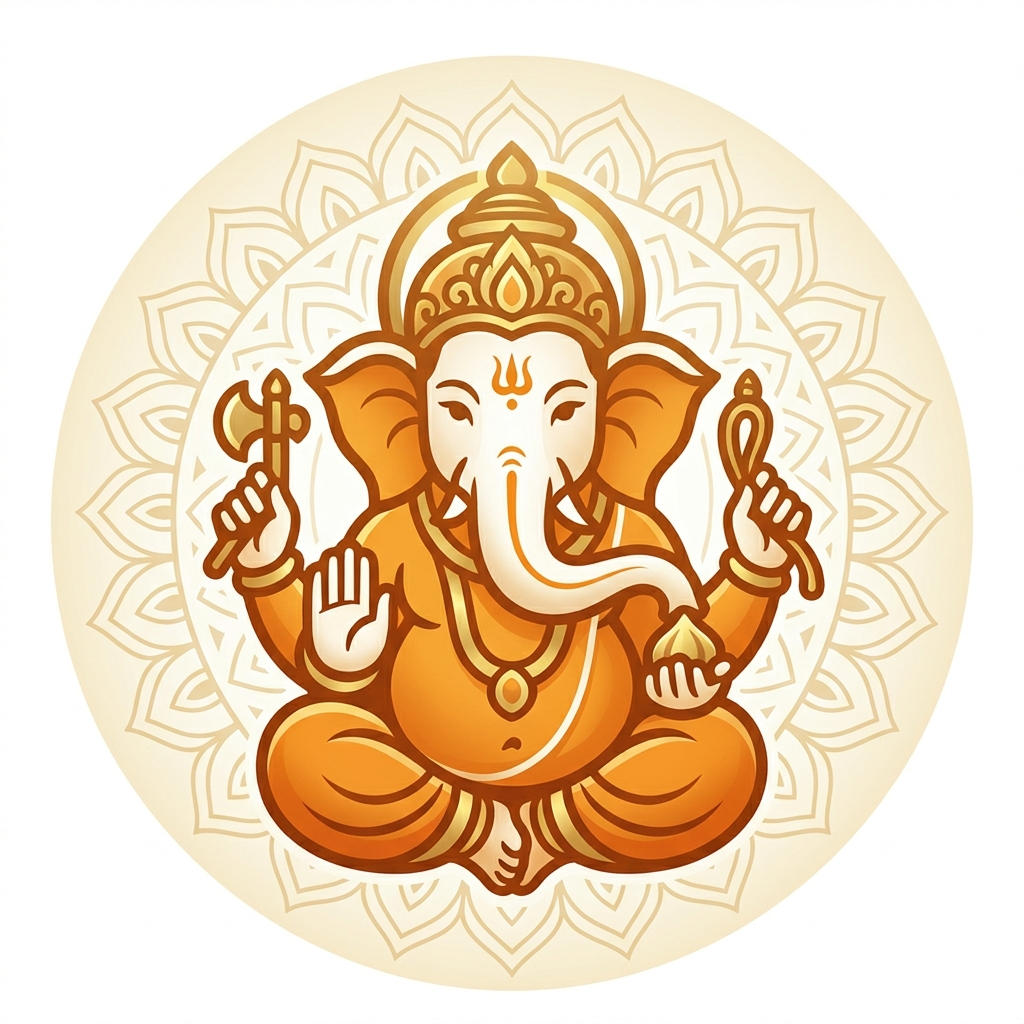
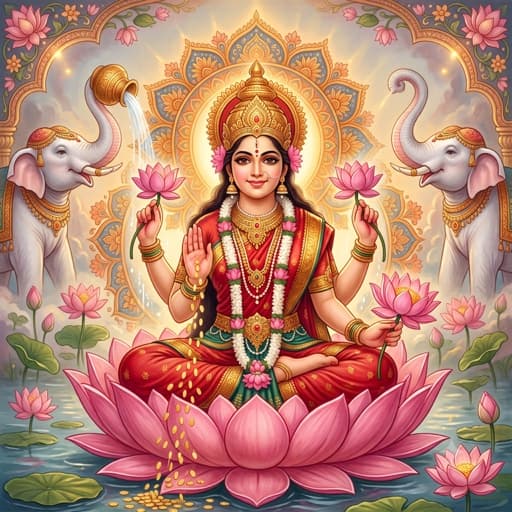
Pohela Boishakh (15 Apr 2026) is the first day of Boishakh — the inaugural month of the Bengali solar calendar (Bangabda 1433). Pan-Bengal observance: shopkeepers begin a new halkhata (account book) with Lakshmi-Ganesh pujan; families wear new white-and-red attire; processions like Mongol Shobhajatra (UNESCO heritage) in Dhaka mark daybreak. Observed in West Bengal, Tripura, Assam's Bengali community, and Bangladesh.
पोहेला बैशाख (15 अप्रैल 2026) बंगाली सौर पंचांग के बैशाख मास का प्रथम दिन है (बंगाब्द 1433)। पूरे बंगाल में पालन: दुकानदार लक्ष्मी-गणेश पूजन के साथ नई हलखाता (बही) आरंभ करते हैं; परिवार नए श्वेत-लाल वस्त्र पहनते हैं; ढाका में मंगल शोभायात्रा (यूनेस्को धरोहर) सूर्योदय पर निकलती है। पश्चिम बंगाल, त्रिपुरा, असम के बंगाली समुदाय और बांग्लादेश में मनाया जाता है।
Pohela Boishakh 2026 outside India — local timings for USA, UK, Canada, Australia, Singapore & UAEपोहेला बैशाख 2026 भारत के बाहर — अमेरिका, ब्रिटेन, कनाडा, ऑस्ट्रेलिया, सिंगापुर और यूएई में स्थानीय समय
A tithi begins and ends at the same instant everywhere on Earth — only your local clock reading differs. That is why the same tithi can fall on the previous or the next calendar day where you live, even though the festival date on this page follows the Vedic Panchang, IST.
Classical observance windows — sunrise, midday, afternoon, evening and midnight — are defined by your own sunrise and sunset, not by India's. The table below gives those local values for the major diaspora cities.
तिथि पृथ्वी पर हर स्थान पर एक ही क्षण आरम्भ और समाप्त होती है — केवल आपकी स्थानीय घड़ी का समय भिन्न होता है। इसीलिए वही तिथि आपके यहाँ पिछले या अगले कैलेंडर दिन पड़ सकती है, जबकि इस पृष्ठ की तिथि वैदिक पंचांग (IST) के अनुसार है।
सूर्योदय, मध्याह्न, अपराह्न, प्रदोष और निशीथ जैसे शास्त्रीय काल आपके अपने सूर्योदय-सूर्यास्त से निर्धारित होते हैं, भारत के नहीं। नीचे प्रमुख प्रवासी नगरों के स्थानीय मान दिए गए हैं।
| City | Sunrise | Sunset |
|---|---|---|
| Ujjain, India | 6:06 AM | 6:47 PM |
| New York, USA | 6:17 AM | 7:35 PM |
| Chicago, USA | 6:10 AM | 7:31 PM |
| San Jose (Bay Area), USA | 6:32 AM | 7:42 PM |
| Toronto, Canada | 6:34 AM | 8:01 PM |
| London, UK | 6:05 AM | 7:57 PM |
| Dubai, UAE | 5:56 AM | 6:41 PM |
| Singapore | 7:00 AM | 7:09 PM |
| Sydney, Australia | 6:17 AM | 5:32 PM |
Overseas communities differ: some follow the India Panchang date, others observe on the local day the tithi prevails. Confirm the observance day with your local temple or community.
विदेश में समुदायों की परम्परा भिन्न है: कुछ भारत के पंचांग की तिथि मानते हैं, कुछ उस स्थानीय दिन पर व्रत रखते हैं जब तिथि व्याप्त हो। अपने स्थानीय मन्दिर या समुदाय से व्रत का दिन अवश्य सुनिश्चित करें।
Quick Facts
- Date 2026: 15 Apr (1 Boishakh 1433 Bangabda)
- Calendar: Bengali solar — sun enters Mesha (Aries)
- Patron deities: Lakshmi + Ganesha (for the new business year)
- Iconic foods: Panta bhaat (overnight-soaked rice), ilish fry, doi-chura
- Cultural high: Mongol Shobhajatra processions (UNESCO Intangible Heritage 2016)
Pohela Boishakh Observanceपोहेला बैशाख विधि
- Sunrise: Bathe with cold water + tulsi leaf; wear new white saari with red border (men: dhoti-kurta or white kurta with red gamcha)
- Halkhata Pujan (business): Open new red-cloth-bound account book; offer roli + akshat + ganga-jal on first page; light a ghee-lamp + dhup
- Place Lakshmi-Ganesh murti on the new ledger; offer panchamrit, durva, yellow flowers; recite Lakshmi-Ganesh stuti
- Invite old customers/clients to office; distribute mishti (sweets) + nimki + jaljeera
- Family home: Prepare traditional breakfast — panta bhaat with onion, green chilli, mustard oil, ilish fry, doi-chura
- Cultural: Attend Mongol Shobhajatra procession in Dhaka or local pal-gaan / Rabindra Sangeet event
- Children: Receive new clothes, books, and pen as Lakshmi's blessing — traditional gift from elders
- Evening: Light deepak at the door; recite 'Esho hey Boishakh' (Tagore's New Year song)
- सूर्योदय: शीतल जल + तुलसी पत्ता से स्नान; नई श्वेत-लाल-पाड़ साड़ी (पुरुष: धोती-कुर्ता या श्वेत कुर्ता + लाल गमछा)
- हलखाता पूजन (व्यवसाय): नई लाल-कपड़ा बंधी बही खोलें; प्रथम पृष्ठ पर रोली + अक्षत + गंगाजल अर्पण; घी-दीप + धूप
- नई बही पर लक्ष्मी-गणेश मूर्ति; पंचामृत, दूर्वा, पीले फूल अर्पण; लक्ष्मी-गणेश स्तुति
- पुराने ग्राहकों/क्लाइंट्स को कार्यालय आमंत्रित करें; मिठाई + नमकीन + जलजीरा वितरण
- घर: परम्परागत प्रातराश — पान्ता भात (प्याज, हरी मिर्च, सरसों तेल), इलिश तला, दही-चूड़ा
- सांस्कृतिक: ढाका की मंगल शोभायात्रा या स्थानीय पाल-गान / रवीन्द्र संगीत कार्यक्रम
- बच्चे: लक्ष्मी-आशीर्वाद के रूप में नए वस्त्र, पुस्तकें, कलम — बड़ों से परम्परागत उपहार
- संध्या: द्वार पर दीप; 'एशो हे बैशाख' (टैगोर का नववर्ष गीत) गायन
Origin of the Bengali Calendarबंगाली पंचांग का उद्भव
The Bengali calendar (Bangabda) was instituted through Mughal-era reforms blending the Hindu solar Saka calendar with revenue-collection cycles — formally adopted ~1584 CE during Akbar's reign by astronomer Fathullah Shirazi. The era zero is set to 593 CE, the year of Hindu king Shashanka of Gauda's accession (per most scholars).
Pohela Boishakh as 'New Year' was originally a tax-collection day; the halkhata (new ledger) tradition stems directly from this. Tagore later transformed it into a pan-Bengali cultural festival through his Rabindra Sangeet and the founding of Visva-Bharati University. Today it is celebrated across all faiths in Bangladesh and West Bengal as Bengal's collective cultural identity day.
बंगाली पंचांग (बंगाब्द) मुग़ल-युगीन सुधारों से प्रतिष्ठित हुआ — हिंदू सौर शक पंचांग को राजस्व-संग्रह चक्र से मिलाकर — अकबर के काल में ज्योतिर्विद फतहुल्लाह शीराज़ी द्वारा 1584 ईस्वी में औपचारिक रूप से अपनाया गया। युग-शून्य 593 ईस्वी पर निर्धारित — गौड़ के राजा शशांक के राज्याभिषेक का वर्ष (अधिकांश विद्वानों के अनुसार)।
पोहेला बैशाख 'नववर्ष' मूलतः कर-संग्रह का दिन था; हलखाता (नई बही) परम्परा सीधे इसी से। रवीन्द्रनाथ ने बाद में रवीन्द्र संगीत और विश्व-भारती की स्थापना के माध्यम से इसे बंगाली सांस्कृतिक पर्व में परिवर्तित किया। आज यह बांग्लादेश और पश्चिम बंगाल में सभी धर्मों के लोग बंगाल की सामूहिक सांस्कृतिक पहचान के दिवस के रूप में मनाते हैं।
Frequently Asked Questionsअक्सर पूछे जाने वाले प्रश्न
What is the Halkhata tradition on Pohela Boishakh and which deities are invoked?
Halkhata is the opening of a new red-cloth-bound account book for the business year. Shopkeepers invite old customers, perform a Lakshmi-Ganesh puja on the ledger's first page with roli, akshat, ganga-jal, and a ghee lamp, then distribute sweets. Lakshmi and Ganesha are invoked for prosperity and obstacle-free trade throughout the Bengali year.
पोहेला बैशाख पर हलखाता क्या है और किन देवों की पूजा होती है?
हलखाता नए व्यवसाय-वर्ष के लिए लाल कपड़े में बँधी नई बही खोलने की परम्परा है। दुकानदार पुराने ग्राहकों को बुलाते हैं, बही के प्रथम पृष्ठ पर रोली, अक्षत, गंगाजल और घी-दीप के साथ लक्ष्मी-गणेश पूजन करते हैं, फिर मिठाई बाँटते हैं। बंगाली वर्ष में समृद्धि और बाधा-रहित व्यापार के लिए लक्ष्मी-गणेश की उपासना होती है।
What year does the Bengali calendar (Bangabda) count in 2026 and how did this calendar originate?
Pohela Boishakh 2026 marks the start of Bangabda 1433. The calendar's era-zero is set to 593 CE, the year most scholars associate with Hindu king Shashanka of Gauda. The calendar blends the Hindu solar Saka calendar with revenue-collection cycles. The halkhata tradition itself originated as a tax-payment day.
2026 में बंगाली पंचांग (बंगाब्द) का कौन-सा वर्ष प्रारम्भ होता है?
पोहेला बैशाख 2026 बंगाब्द 1433 का आरम्भ है। इस पंचांग का युग-शून्य 593 ईस्वी — अधिकांश विद्वानों के अनुसार गौड़ के हिंदू राजा शशांक के राज्याभिषेक का वर्ष। यह पंचांग हिंदू सौर शक-संवत और राजस्व-चक्र का सम्मिश्रण है।
What is the traditional dress and food associated with Pohela Boishakh?
Women wear a new white saree with red border; men wear white kurta with a red gamcha or dhoti-kurta. The traditional morning meal is panta bhaat — rice soaked overnight — served with fried ilish, onion, green chilli, mustard oil, and doi-chura (yoghurt and beaten rice).
पोहेला बैशाख पर परम्परागत वेशभूषा और भोजन क्या है?
स्त्रियाँ नई श्वेत-लाल-पाड़ साड़ी पहनती हैं; पुरुष श्वेत कुर्ता-लाल गमछा या धोती-कुर्ता। परम्परागत प्रातराश है पान्ता भात — रातभर भिगोया चावल — इलिश तला, प्याज, हरी मिर्च, सरसों तेल के साथ, और दही-चूड़ा।
What is Mongol Shobhajatra and why is it significant?
Mongol Shobhajatra is a dawn procession on Pohela Boishakh featuring large papier-mâché masks of animals, deities, and folk motifs. It was inscribed on UNESCO's Intangible Cultural Heritage list in 2016. The procession symbolises driving away evil and welcoming auspiciousness for the new Bengali year.
मंगल शोभायात्रा क्या है और यह महत्वपूर्ण क्यों है?
मंगल शोभायात्रा पोहेला बैशाख की प्रभात-शोभायात्रा है जिसमें पशुओं, देवताओं और लोक-प्रतीकों के विशाल पेपर-माशे मुखौटे होते हैं। 2016 में यूनेस्को ने इसे अमूर्त सांस्कृतिक धरोहर में सम्मिलित किया। यह शोभायात्रा बुराई को भगाने और नए बंगाली वर्ष में शुभता का स्वागत करने का प्रतीक है।