Mauni Amavasya — Silence Vrat at the Heart of Magh Mela
18 January 2026 · Sunday
Tithi
Magha Amavasya
Auspicious Muhurat · IST
Snan Muhurat: 5:30 AM – 7:00 AM IST (Brahma Muhurat); Maun Vrat: sunrise to noon minimum
Tithi Duration…
Abhijit Muhurat…
Sunrise / Sunset…
Source: Vedic Panchang, IST
All timings shown for:…
Festival dates follow the India (IST) Vedic calendar.
Quick Info
Mauni Amavasya (18 Jan 2026) is the new moon at the heart of the Magh month — the spiritual climax of the month-long Magh Mela.
मौनी अमावस्या (18 जनवरी 2026) माघ मास के हृदय में अमावस्या — मास-व्यापी माघ मेले का आध्यात्मिक चरम।
About this festival
Mauni Amavasya (18 Jan 2026) is the new moon at the heart of the Magh month — the spiritual climax of the month-long Magh Mela. Devotees observe Maun Vrat (complete silence from sunrise to noon at minimum) and bathe at Sangam. Per the Vishnu Purana, the rishi Manu was born on this Amavasya; hence 'Maun-i' is etymologically linked to Manu (the silent sage) + maun (silence) both.
मौनी अमावस्या (18 जनवरी 2026) माघ मास के हृदय में अमावस्या — मास-व्यापी माघ मेले का आध्यात्मिक चरम। भक्त मौन व्रत (कम से कम सूर्योदय से मध्याह्न तक पूर्ण मौन) रखते हैं और संगम स्नान करते हैं। विष्णु पुराण के अनुसार ऋषि मनु का जन्म इसी अमावस्या को हुआ; अतः 'मौन-ई' का व्युत्पत्ति-सम्बन्ध मनु (मौन ऋषि) + मौन दोनों से है।
Mauni Amavasya 2026 outside India — local timings for USA, UK, Canada, Australia, Singapore & UAEमौनी अमावस्या 2026 भारत के बाहर — अमेरिका, ब्रिटेन, कनाडा, ऑस्ट्रेलिया, सिंगापुर और यूएई में स्थानीय समय
A tithi begins and ends at the same instant everywhere on Earth — only your local clock reading differs. That is why the same tithi can fall on the previous or the next calendar day where you live, even though the festival date on this page follows the Vedic Panchang, IST.
Classical observance windows — sunrise, midday, afternoon, evening and midnight — are defined by your own sunrise and sunset, not by India's. The table below gives those local values for the major diaspora cities.
तिथि पृथ्वी पर हर स्थान पर एक ही क्षण आरम्भ और समाप्त होती है — केवल आपकी स्थानीय घड़ी का समय भिन्न होता है। इसीलिए वही तिथि आपके यहाँ पिछले या अगले कैलेंडर दिन पड़ सकती है, जबकि इस पृष्ठ की तिथि वैदिक पंचांग (IST) के अनुसार है।
सूर्योदय, मध्याह्न, अपराह्न, प्रदोष और निशीथ जैसे शास्त्रीय काल आपके अपने सूर्योदय-सूर्यास्त से निर्धारित होते हैं, भारत के नहीं। नीचे प्रमुख प्रवासी नगरों के स्थानीय मान दिए गए हैं।
| City | Sunrise | Sunset | Amavasya (local time) |
|---|---|---|---|
| Ujjain, India | 7:10 AM | 6:04 PM | Jan 18, 12:04 AM → Jan 19, 1:22 AM |
| New York, USA | 7:16 AM | 4:56 PM | Jan 17, 1:34 PM → Jan 18, 2:52 PM |
| Chicago, USA | 7:14 AM | 4:48 PM | Jan 17, 12:34 PM → Jan 18, 1:52 PM |
| San Jose (Bay Area), USA | 7:19 AM | 5:16 PM | Jan 17, 10:34 AM → Jan 18, 11:52 AM |
| Toronto, Canada | 7:46 AM | 5:10 PM | Jan 17, 1:34 PM → Jan 18, 2:52 PM |
| London, UK | 7:56 AM | 4:25 PM | Jan 17, 6:34 PM → Jan 18, 7:52 PM |
| Dubai, UAE | 7:05 AM | 5:52 PM | Jan 17, 10:34 PM → Jan 18, 11:52 PM |
| Singapore | 7:13 AM | 7:16 PM | Jan 18, 2:34 AM → Jan 19, 3:52 AM |
| Sydney, Australia | 6:02 AM | 8:08 PM | Jan 18, 5:34 AM → Jan 19, 6:52 AM |
Overseas communities differ: some follow the India Panchang date, others observe on the local day the tithi prevails. Confirm the observance day with your local temple or community.
विदेश में समुदायों की परम्परा भिन्न है: कुछ भारत के पंचांग की तिथि मानते हैं, कुछ उस स्थानीय दिन पर व्रत रखते हैं जब तिथि व्याप्त हो। अपने स्थानीय मन्दिर या समुदाय से व्रत का दिन अवश्य सुनिश्चित करें।
Quick Facts
- Date 2026: 18 Jan (Magha Amavasya, Sunday)
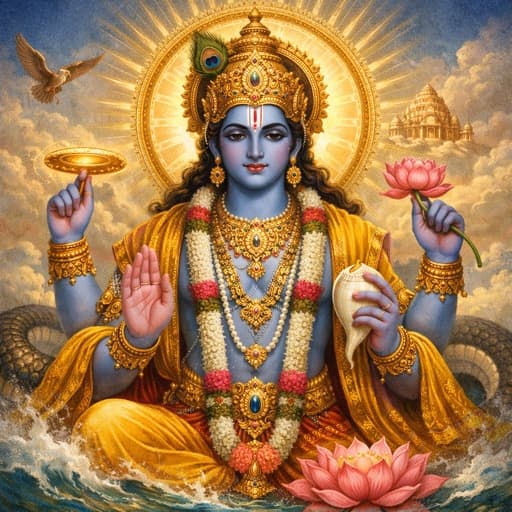
- Patron deity: Vishnu (Hari-Hari) + Pitrs (ancestors)
- Signature observance: Maun Vrat (24-hour or sunrise-to-noon silence)
- Spiritual climax of: month-long Magh Mela
- Etymology: 'Mauni' = Muni (silent sage Manu) + Maun (silence) — dual root
Mauni Amavasya Vidhiमौनी अमावस्या विधि
- Wake at 4 AM (Brahma Muhurat); BEFORE the first word — take sankalp of maun (mental sankalp only)
- Bathe in cold water + a drop of Ganga-jal; do NOT speak through the bath
- Wear simple cotton; sit silently for puja
- Mental chanting of 'Om Namo Bhagavate Vasudevaya' OR 'So-Ham' — no audible mantra
- Pitra tarpan facing south (silent mental offering with til-water)
- Donate til, water-pots, blankets, woolen clothing without words — gesture only
- Eat one sattvic meal at noon in silence (some break maun at noon)
- Strict observers maintain maun till next sunrise — sleep with mantra mentally repeating
- If at Sangam: contribute to Kalpavas final-stretch routine; visit Akshay-vat tree
- प्रातः 4:00 AM पर जागें (ब्रह्म मुहूर्त); प्रथम शब्द से पहले — मौन का संकल्प (केवल मानसिक)
- ठंडे जल + गंगाजल बूँद से स्नान; स्नान भर बोलें नहीं
- सरल सूती वस्त्र; पूजा हेतु मौन बैठें
- मानसिक रूप से 'ॐ नमो भगवते वासुदेवाय' या 'सो-हम्' का जप — स्वर रहित
- दक्षिण मुख पितृ तर्पण (तिल-जल के साथ मौन मानसिक अर्पण)
- तिल, मटका, कम्बल, ऊनी वस्त्र दान — बिना शब्द, संकेत से
- मध्याह्न को मौन में एक सात्विक भोजन (कुछ मध्याह्न पर मौन तोड़ते हैं)
- कठोर पालक अगले सूर्योदय तक मौन रखते हैं — मन-जप के साथ निद्रा
- संगम में हों: कल्पवास के अंतिम चरण में योगदान; अक्षय-वट वृक्ष दर्शन
Mantrasमंत्र
ॐ नमो भगवते वासुदेवाय ॥ (मनसा एव — मौनेन)
Om Namo Bhagavate Vāsudevāya (manasā eva — maunena)
Salutations to Lord Vasudeva — chanted mentally only (no sound). 12-syllable Vishnu mantra. (Bhagavata Purana)
भगवान वासुदेव को नमन — केवल मानसिक (बिना स्वर)। विष्णु का 12-अक्षरी मंत्र। (भागवत पुराण)
↻ 108 times mentally
Why Silence on Magha Amavasyaमाघ अमावस्या को मौन क्यों
Per Vishnu Purana, the great Sage Manu (founder of the Manvantara, the Adi-purusha of humanity) was born on Magha Amavasya. Manu performed his initial tapasya in absolute silence — hence the day acquires the energy of muni-tapas. Devotees who emulate his maun on this day are said to absorb a fraction of his Vedic insight.
Practically: silence is the highest tapasya because the tongue is the hardest organ to control. The Yajnavalkya Smriti enjoins that one day of strict maun yields the merit of three days of regular fasting. Magha Amavasya — falling at the spiritual peak of Magh month — magnifies this maun-merit hundredfold.
विष्णु पुराण के अनुसार महर्षि मनु (मन्वन्तर के संस्थापक, मानवता के आदि-पुरुष) का जन्म माघ अमावस्या को हुआ। मनु ने अपनी प्रारंभिक तपस्या पूर्ण मौन में की — अतः इस दिन को मुनि-तप की ऊर्जा प्राप्त है। जो भक्त इस दिन उनके मौन का अनुकरण करते हैं, वे उनकी वेदिक अंतर्दृष्टि का अंश आत्मसात करते हैं।
व्यावहारिक: मौन सर्वोच्च तपस्या है क्योंकि जिह्वा का नियंत्रण सबसे कठिन है। याज्ञवल्क्य स्मृति कहती है — एक दिन के कठोर मौन का पुण्य तीन दिन के नियमित उपवास के बराबर। माघ अमावस्या — माघ मास के आध्यात्मिक चरम पर — इस मौन-पुण्य को सौ गुना बढ़ाती है।
Frequently Asked Questionsअक्सर पूछे जाने वाले प्रश्न
Why is silence (maun) the defining practice of Mauni Amavasya?
Per Vishnu Purana, Sage Manu — the progenitor of humanity — was born on Magha Amavasya and performed his first tapasya in absolute silence. Devotees emulate his maun to absorb a fraction of his Vedic insight. Yajnavalkya Smriti states one day of strict maun yields the merit of three days of ordinary fasting.
मौनी अमावस्या की निर्धारित साधना मौन क्यों है?
विष्णु पुराण के अनुसार महर्षि मनु — मानवता के प्रजापिता — का जन्म माघ अमावस्या को हुआ और उन्होंने प्रथम तपस्या पूर्ण मौन में की। भक्त इस दिन उनके मौन का अनुकरण करते हैं। याज्ञवल्क्य स्मृति कहती है — एक दिन के कठोर मौन का पुण्य तीन दिन के नियमित उपवास के बराबर है।
What is the minimum duration of the silence vow, and can one who cannot stay silent all day still observe this day?
The minimum prescribed maun is from sunrise to noon. Strict observers maintain silence until the next sunrise. Those unable to hold full silence can observe partial maun during puja, bath, and arghya, and substitute audible mantra with mental japa of 'Om Namo Bhagavate Vasudevaya' or 'So-Ham'. Even partial maun on this tithi is meritorious.
मौन व्रत की न्यूनतम अवधि क्या है और जो पूरा दिन मौन न रख पाएं उनके लिए क्या?
न्यूनतम निर्धारित मौन सूर्योदय से मध्याह्न तक है। कठोर पालक अगले सूर्योदय तक मौन रखते हैं। जो पूर्ण मौन न रख सकें वे पूजा, स्नान और अर्घ्य के समय मौन रखें और स्वर-मंत्र के स्थान पर 'ॐ नमो भगवते वासुदेवाय' या 'सो-हम्' का मानसिक जप करें। आंशिक मौन भी पुण्यदायी है।
Mauni Amavasya is the spiritual peak of Magh Mela — what makes it distinct from other Mela dates?
Magh Mela runs from Paush Purnima to Magha Purnima. Mauni Amavasya (Magha Amavasya) is the new-moon at the centre — the darkest night, when the mind is naturally drawn inward. It is also a pitru tithi, making ancestor-tarpan especially meritorious. The convergence of silence, darkness, ancestral offering, and Sangam snan makes it unique.
मौनी अमावस्या माघ मेले का आध्यात्मिक चरम है — यह अन्य मेला-तिथियों से कैसे अलग है?
माघ मेला पौष पूर्णिमा से माघ पूर्णिमा तक चलता है। मौनी अमावस्या (माघ अमावस्या) केंद्र में अमावस्या है — सबसे अंधेरी रात, जब मन स्वाभाविक रूप से अंतर्मुखी होता है। यह पितृ-तिथि भी है, इसलिए पितृ-तर्पण का विशेष फल है। मौन, अंधकार, पितृ-अर्पण और संगम स्नान का यह संगम इसे अनूठा बनाता है।
What is the Sangam snan muhurat on Mauni Amavasya 2026?
The Snan Muhurat on 18 January 2026 is 5:30 AM to 7:00 AM IST (Brahma Muhurat window). The maun vrat sankalp is taken mentally — before uttering any word — immediately upon waking. If bathing at the Prayag Sangam, devotees also visit the Akshay-Vat (immortal fig tree) within the fort premises.
मौनी अमावस्या 2026 पर संगम स्नान का मुहूर्त क्या है?
18 जनवरी 2026 को स्नान मुहूर्त प्रातः 5:30 AM से 7:00 AM IST (ब्रह्म मुहूर्त) है। मौन व्रत का संकल्प मानसिक रूप से — जागते ही, प्रथम शब्द से पहले — लिया जाता है। प्रयाग संगम पर स्नान हो तो भक्त किले परिसर के अक्षय-वट वृक्ष के भी दर्शन करते हैं।