
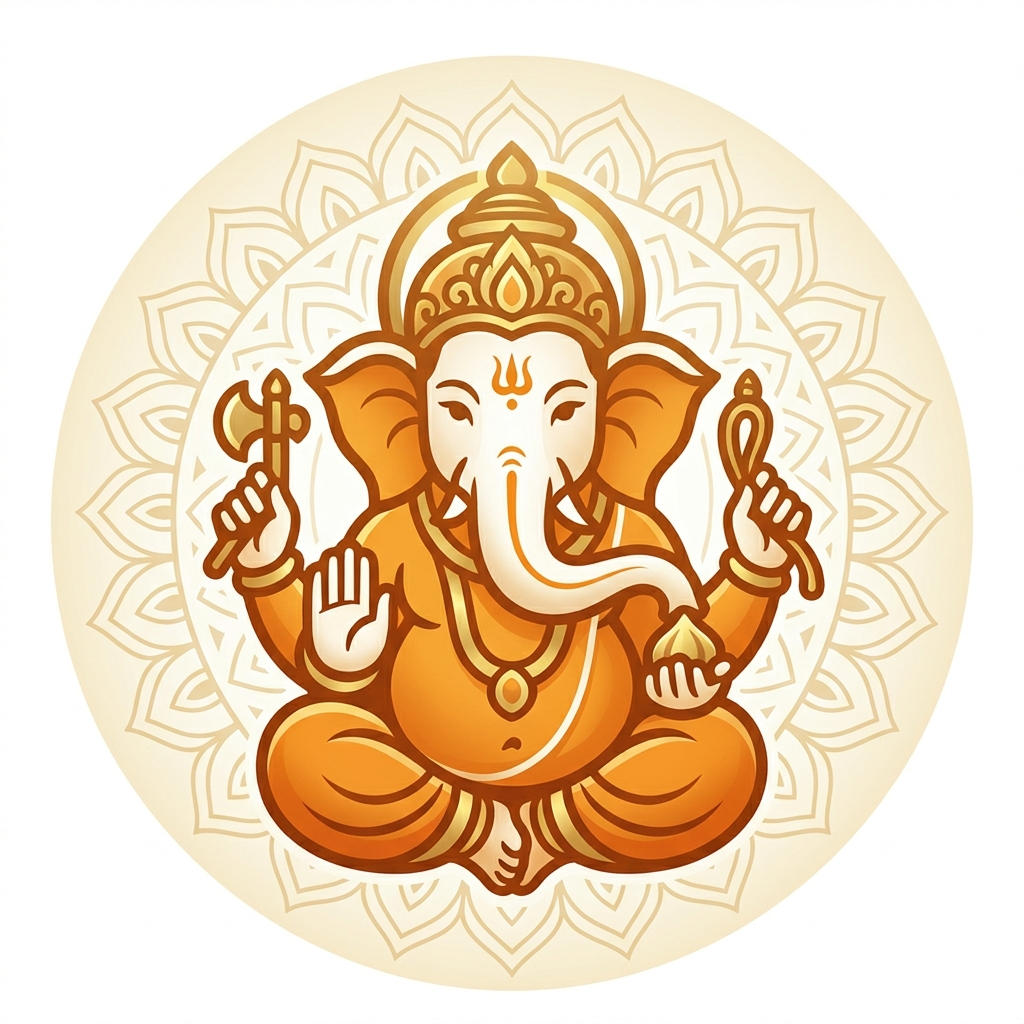
Pooja Room Vastu
The pooja room is the spiritual heart of a Hindu home. Its placement, idol direction, and sacred items must align with Vastu Shastra to maximize divine energy and family wellbeing.
Practical Vastu Tips
- Place the pooja room in the North-East corner of the home.
- Idols should face West so worshippers face East.
- Keep at least one inch of space between idols.
- Use light shades of yellow, white, or cream on pooja-room walls.
- Place a small ghee lamp or diya in the South-East corner of the pooja room.
- Do not keep idols of fierce forms (e.g., Mahakali) in the home pooja room — these are for temple worship.
- Clean the pooja room daily and replace flowers and water in the morning.
Frequently Asked Questions
Which direction is best for the pooja room?
The North-East corner (Ishaan kona) is the most auspicious direction for the pooja room. It is the corner of Brahma and is associated with divinity, wisdom, and spiritual growth.
Which direction should idols face?
Idols should face West or East. If you place idols facing East, you (the worshipper) face West — and vice versa. Most commonly, idols face West so the worshipper faces the rising sun (East) during morning prayers.
Can the pooja room be in the bedroom?
A pooja room in the master bedroom is not ideal but acceptable if no other space is available. Use a curtain to separate it during sleep, and never keep idols on the floor or facing the bed.
What should NOT be placed in the pooja room?
Avoid: photographs of deceased family members, broken idols, dustbins, shoes, leather items, anything related to death. Toilets and pooja rooms should never share walls.
What height should the idols be at?
Idols should be at the worshipper's chest level when seated — typically 18-24 inches off the floor. Never place idols directly on the ground or above eye level.