
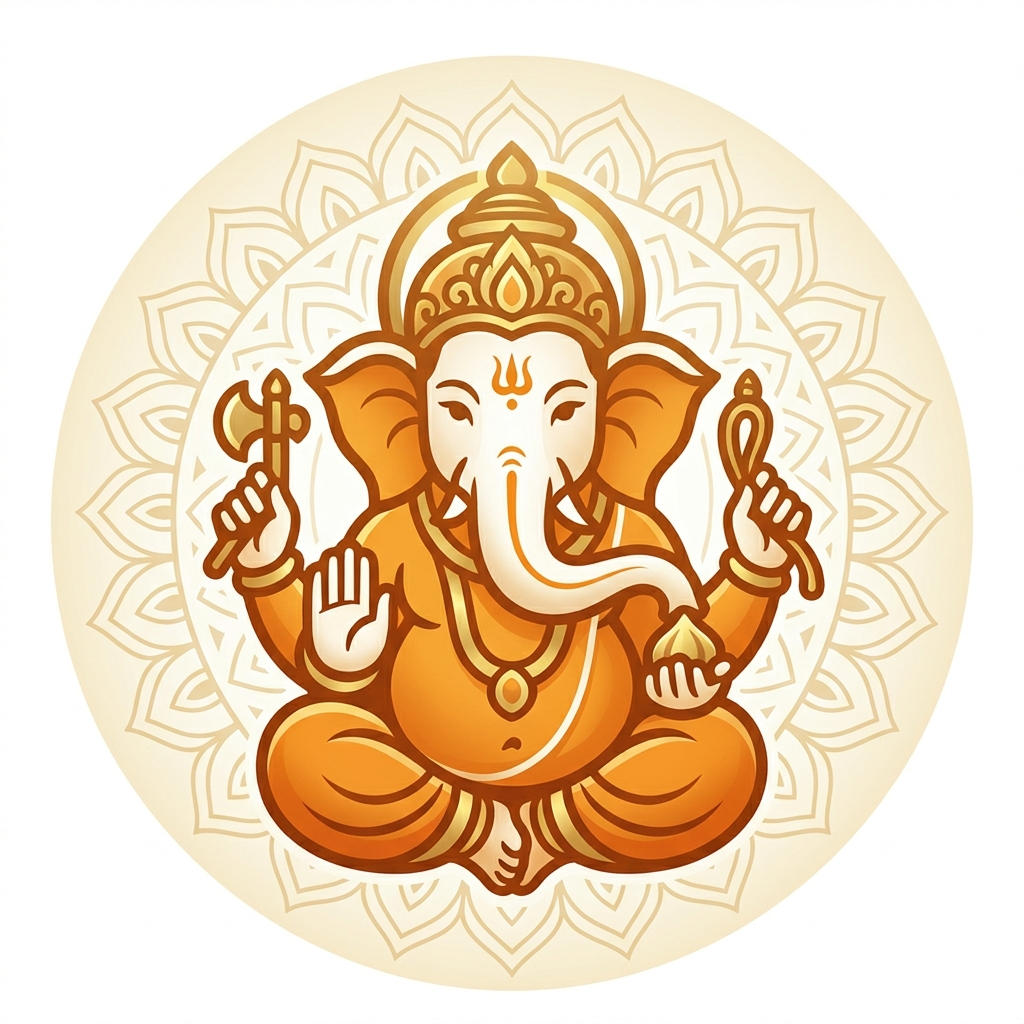
Shukra Mantra
Shukra Beej Mantra
108 times chanting method & benefits
ॐ द्रां द्रीं द्रौं सः शुक्राय नमः
Om Dram Dreem Draum Sah Shukraya Namah
Correct Timing & Method
- ✦Chant on Friday at dawn (sunrise time)
- ✦Chant during Shukra Hora (Venus planetary hour)
- ✦Sit facing east on a white seat
- ✦Use kamalgatta or white sandalwood mala
- ✦Chant continuously for at least 40 days
Benefits of Chanting
Beauty Enhancement
Venus governs beauty — regular chanting brings attractiveness and personality improvement.
Love & Marriage
Venus rules marital life — this mantra removes obstacles in marriage.
Financial Prosperity
Venus represents Lakshmi — brings success in business and arts.
Artistic Talent
Enhances talent in music, dance, and fine arts.
Health Benefits
Beneficial for kidney, eye, and reproductive health issues.
Questions and Answers
What does the Shukra Beej Mantra mean?
Om Dram Dreem Draum Sah Shukraya Namah is the seed (beej) mantra of the planet Shukra (Venus). Dram, Dreem and Draum are its seed syllables, "Sah" is the power-seed, and "Shukraya Namah" is reverent salutation to Shukra Dev. In the Jyotish tradition it is chanted to invoke the gentle, harmonising grace of Venus.
How many times should the Shukra Beej Mantra be chanted?
It is traditionally chanted 108 times — one full round of a 108-bead mala. Many devotees keep a 40-day (or 40-Friday) sankalp of one mala daily for a complete cycle. Chant calmly with correct pronunciation.
Which day and time are best for chanting the Shukra mantra?
Friday (Shukravar) is the weekday of Venus, so it is considered the most auspicious day. Dawn (early morning) or the Shukra Hora (Venus planetary hour) is considered ideal. Sitting on a white seat facing east is the traditional practice.
Who can chant the Shukra Beej Mantra and what benefits are believed to follow?
Anyone may chant it with devotion and a clean body and mind; no initiation is required for this beej mantra. In traditional Jyotish belief it is chanted to strengthen a weak Venus in the horoscope and is associated with comfort, beauty, harmony, the arts, marital happiness and prosperity. These are matters of faith and tradition, not guaranteed outcomes, and are not a substitute for medical or professional advice.
शुक्र मंत्र
शुक्र बीज मंत्र
108 बार जाप विधि और लाभ
ॐ द्रां द्रीं द्रौं सः शुक्राय नमः
Om Dram Dreem Draum Sah Shukraya Namah
जाप का सही समय और विधि
- ✦शुक्रवार प्रातः उषाकाल में करें (सूर्योदय के समय)
- ✦शुक्र होरा (शुक्र का ग्रह घंटा) में जाप करें
- ✦सफेद आसन पर बैठकर पूर्व दिशा की ओर मुंह करें
- ✦कमलगट्टे या सफेद चंदन की माला का उपयोग करें
- ✦कम से कम 40 दिन लगातार जाप करें
जाप के लाभ
सौंदर्य वृद्धि
शुक्र ग्रह सौंदर्य का कारक है — नियमित जाप से आकर्षण और व्यक्तित्व में निखार आता है।
प्रेम और विवाह
शुक्र दांपत्य जीवन का स्वामी है — इस मंत्र से विवाह में बाधाएं दूर होती हैं।
आर्थिक समृद्धि
शुक्र लक्ष्मी का प्रतिनिधि है — व्यापार और कला में सफलता मिलती है।
कलात्मक प्रतिभा
संगीत, नृत्य और कला में प्रतिभा का विकास होता है।
स्वास्थ्य लाभ
गुर्दे, आंखें और प्रजनन अंगों से संबंधित रोगों में लाभ मिलता है।
प्रश्न और उत्तर
शुक्र बीज मंत्र का अर्थ क्या है?
ॐ द्रां द्रीं द्रौं सः शुक्राय नमः शुक्र ग्रह का बीज मंत्र है। द्रां, द्रीं, द्रौं — शुक्र के बीजाक्षर हैं, "सः" उनका शक्ति-बीज है और "शुक्राय नमः" शुक्र देव को सादर प्रणाम है। ज्योतिष परंपरा में इसे शुक्र की मधुर एवं सुखकारी कृपा के आह्वान हेतु जपा जाता है।
शुक्र बीज मंत्र का जाप कितनी बार करना चाहिए?
परंपरा अनुसार इसका जाप 108 बार किया जाता है — 108 मनकों की माला की एक पूरी आवृत्ति। अनेक साधक 40 दिन (या 40 शुक्रवार) तक प्रतिदिन एक माला का संकल्प लेते हैं। शुद्ध उच्चारण के साथ शांत मन से जाप करें।
शुक्र मंत्र जाप के लिए सर्वश्रेष्ठ दिन और समय कौन-सा है?
शुक्रवार शुक्र का वार है, इसलिए यह सबसे शुभ दिन माना जाता है। प्रातः उषाकाल या शुक्र होरा में जाप उत्तम माना जाता है। सफेद आसन पर पूर्व दिशा की ओर मुख करके बैठना पारंपरिक विधि है।
शुक्र बीज मंत्र कौन जप सकता है और कौन-से लाभ माने जाते हैं?
शुद्ध तन-मन से श्रद्धापूर्वक इसे कोई भी जप सकता है; इस बीज मंत्र हेतु किसी दीक्षा की आवश्यकता नहीं। पारंपरिक ज्योतिष मान्यता में इसे कुंडली में निर्बल शुक्र को बल देने हेतु जपा जाता है और यह सुख, सौंदर्य, सौहार्द, कला, दांपत्य सुख तथा समृद्धि से जोड़ा जाता है। ये आस्था एवं परंपरा के विषय हैं, सुनिश्चित परिणाम नहीं, और चिकित्सकीय या व्यावसायिक परामर्श का विकल्प नहीं हैं।