

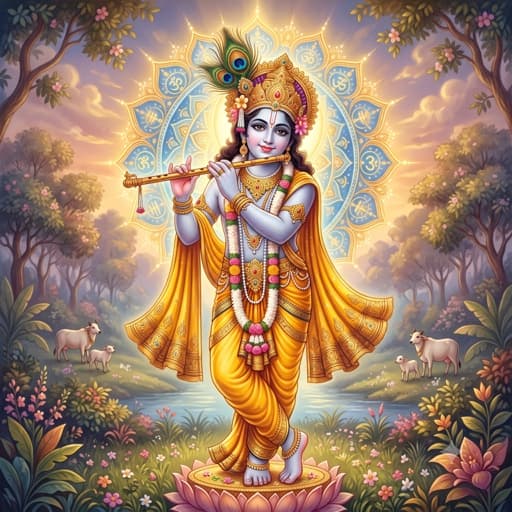
Kirtan Ghosha — Srimanta Sankardev's Assamese Devotional Classic
Author: Srimanta Sankardev (15th century, Assam)
Roman Transliteration
Kirtan Ghosha
By Srimanta Sankardev (15th century, Assam)

Hari Hari Bolaho Sakhi Hari Hari Bola.
Bhavasagar Taribari Hari Naam Khela. ||1||

Mathura Nagari Janme Yadupati Rai.
Basudev Devakir Nandan-Kanday. ||2||

Gokule Palan Palile Nandar Ghare.
Yashodar Kole Laila Gopkuler Dake. ||3||

Vrindavane Gocharan Karile Saday.
Gopi Sane Keli Kari Madhur Mayay. ||4||

Kaliya Daman Kari Nadi Karila Shuddha.
Putana Badh Kari Jagat Karila Muddha. ||5||

Banshi Bajaya Man Mohile Sakale.
Gopi Man Churi Kari Ras Karile Khele. ||6||

Mahapapi Kansa Badhi Pitri Mukta Kari.
Dharma Sthapan Karile Jagat Mangal Hari. ||7||

Shankardev-e Barni Kare Harir Mahima.
Krishna Naamar Nai Tula Nai Ko Sima. ||8||कीर्तन घोषा — श्रीमंत शंकरदेव रचित असमिया भक्ति काव्य
ৰচয়িতা: শ্ৰীমন্ত শংকৰদেৱ (১৫শ শতিকা, অসম)
অসমীয়া (কীৰ্তন ঘোষা মূল পাঠ)
কীৰ্তন ঘোষা
শ্ৰীমন্ত শংকৰদেৱ বিৰচিত

হৰি হৰি বোলহো সখি হৰি হৰি বোলা।
ভৱসাগৰ তৰিবাৰে হৰি নাম খেলা॥১॥

মথুৰা নগৰী জন্মে যদুপতি ৰায়।
বসুদেৱ দেৱকীৰ নন্দন-কন্দায়॥২॥

গোকুলে পালন পালিলে নন্দৰ ঘৰে।
যশোদাৰ কোলে লৈলা গোপকুলৰ ডাকে॥৩॥

বৃন্দাবনে গোচৰণ কৰিলে সদায়।
গোপী সনে কেলি কৰি মধুৰ মায়ায়॥৪॥

কালিয়া দমন কৰি নদী কৰিলা শুদ্ধ।
পূতনা বধ কৰি জগৎ কৰিলা মুদ্ধ॥৫॥

বংশী বাজায়া মন মোহিলে সকলে।
গোপী মন চুৰি কৰি ৰাস কৰিলে খেলে॥৬॥

মহাপাপী কংস বধি পিতৃ মুক্ত কৰি।
ধৰ্ম স্থাপন কৰিলে জগৎ মংগল হৰি॥৭॥

শংকৰদেৱে বৰ্ণি কৰে হৰিৰ মহিমা।
কৃষ্ণ নামৰ নাই তুলা নাই কো সীমা॥৮॥Frequently Asked Questions
What is the Kirtan Ghosha?
The Kirtan Ghosha is a sacred Hindu devotional hymn (stotram) dedicated to Krishna. VedKosh provides its complete text in Hindi and English with transliteration for regional readers.
What are the benefits of reciting the Kirtan Ghosha?
Reciting the Kirtan Ghosha with devotion is traditionally believed to invoke the grace of Krishna, calm and focus the mind, and create an auspicious, sattvic atmosphere. It is practised as an act of bhakti (devotion) rather than for any guaranteed material outcome.
When should the Kirtan Ghosha be recited?
The Kirtan Ghosha can be recited during daily morning or evening worship of Krishna, and especially on the deity's sacred days and festivals. A clean, quiet space and a steady, devotional mind are the main requirements.
अक्सर पूछे जाने वाले प्रश्न
कीर्तन घोषा क्या है?
कीर्तन घोषा कृष्ण को समर्पित एक पवित्र हिन्दू भक्ति स्तोत्र है। वेदकोश पर इसका पूर्ण पाठ हिंदी और अंग्रेज़ी में (क्षेत्रीय पाठकों हेतु लिप्यंतरण सहित) उपलब्ध है।
कीर्तन घोषा के पाठ के क्या लाभ माने जाते हैं?
कीर्तन घोषा का श्रद्धापूर्वक पाठ कृष्ण की कृपा का आह्वान करता है, मन को शांत व एकाग्र करता है और शुभ, सात्विक वातावरण बनाता है। इसे किसी निश्चित भौतिक फल की गारंटी के रूप में नहीं, बल्कि भक्ति-भाव से किया जाता है।
कीर्तन घोषा का पाठ कब करना चाहिए?
कीर्तन घोषा का पाठ कृष्ण की प्रातः या संध्या पूजा में, तथा विशेषकर देवता के पवित्र दिनों व पर्वों पर किया जा सकता है। स्वच्छ, शांत स्थान और स्थिर भक्ति-भाव ही मुख्य आवश्यकता है।
Updated for 2026
2026 के लिए अद्यतन